CS Celersport sells these knee-high socks in a three-pack with 20 to 30 mmHg graduated compression, firmest at the ankle. The listing describes a nylon and elastic knit with a seamless toe and cushioning under the foot, in two sizes. A surgeon can stand at the table for most of a day, and residents stand longer on the busiest services. Compression socks are one of the most common ways people in the OR handle that, and they disappear under scrubs and clogs. The catch is the size: ask a colleague or pick by shoe size, and keep the receipt. Some people find 20 to 30 mmHg too tight at first.
Pros
- Firm 20-30 mmHg compression
- Three pairs
- Hidden under scrubs
Cons
- You need to pick a size
- Tight for some
Best for: surgeons and residents who stand all day in the OR
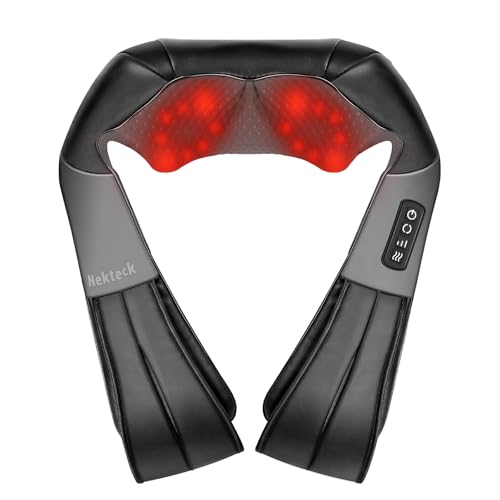
Nekteck's massager drapes over the neck and shoulders with long straps you hold to set the pressure. It has 16 shiatsu nodes, heat up to 113°F, three intensity levels and overheat protection, and it plugs into the wall. A 2018 JAMA Surgery meta-analysis found a 12-month neck pain prevalence of 60% among surgeons and interventionalists, the highest of the body areas it measured. Hours of looking down at the field, often through loupes, is the reason most surgeons give. A heated massager at home after a long list is a small, practical comfort. It does not fix posture in the OR, and it needs an outlet.
Pros
- Heat up to 113°F
- 3 intensity levels
- Straps to set pressure
Cons
- Corded
- Does not change OR posture
Best for: surgeons who bend over the table and wear loupes
Neutrogena's Norwegian Formula cream comes in a 2 ounce tube, fragrance free and rich in glycerin. The formula is concentrated, so a small dab covers both hands, and the listing says one tube holds more than 200 applications. A surgeon scrubs in before every case and washes between patients in clinic, and the skin on the hands pays for it. A fragrance-free cream suits the OR and the clinic, where scents bother patients and coworkers. It is the cheapest gift on this page and works best tucked in with something else, such as socks or coffee. It is thick, so some people use it only at night.
Pros
- Fragrance free
- A dab covers both hands
- Cheap and useful
Cons
- Small gift alone
- Thick for daytime use
Best for: surgeons and residents who scrub several times a day
Stanley's Transit mug holds 16 ounces, keeps drinks hot for up to six hours and cold for eight, and has a leakproof flip-top lid. It is lighter than standard steel bottles, slim enough for a car cup holder and safe in the dishwasher. Surgeons grab coffee before a 7:30 start and then do not see it again until the case ends. A mug that keeps it hot for six hours means the coffee is still drinkable when they scrub out. It also rides to the hospital in the dark without spilling. It is a plain, sturdy gift that suits any surgeon who drinks coffee. A tea drinker who likes a wide mouth may prefer a cup with a handle.
Pros
- Hot for up to 6 hours
- Leakproof flip lid
- Dishwasher safe
Best for: surgeons who leave a drink in the lounge between cases
Medarchitect's board is a compact knot-tying trainer with two colors of string, so the learner can follow each throw, suction cups to hold it on a table and a removable non-slip adhesive for surfaces where suction fails. Surgical residents and students practice one-handed and two-handed ties at home before they need them in the OR. A board makes that practice tidier than a drawer handle. It costs very little, so it suits a Secret Santa or a gift from a senior resident to a new intern. An attending surgeon has no use for it.
Pros
- Two-color strings
- Sticks to any table
- Very cheap
Cons
- For trainees only
- Basic build
Best for: surgical residents and students heading to surgery
Alcedo's kit packs a large silicone practice pad with an inner mesh layer and 14 pre-cut practice areas, 20 sutures in four materials, the needle driver, forceps and scissors to use them, and a carry bag. The listing says it is built for training and practice only. Surgical interns and students before a surgery rotation use kits like this to keep their hands busy between real cases, and a better pad lasts longer than the foam ones handed out at workshops. It makes a good gift from an attending or a senior resident. An experienced surgeon will not need it, so give it to someone in training.
Pros
- Large reusable pad
- 20 sutures in four materials
- Tools and bag included
Cons
- For trainees, not attendings
- Takes table space
Best for: surgical interns and students before rotations
Hasbro's Operation is the electronic board game every kid knows: remove Cavity Sam's Funatomy pieces with tweezers, and the buzzer goes off and his nose lights up if you touch the sides. It is a kids' game, which is the joke. Hand it to a surgeon at a department Secret Santa and someone will challenge them to a round before the coffee is gone. It also works as a gift for a surgeon with kids at home, who will be asked to prove themselves. It costs little and needs batteries, and a surgeon who has heard the joke a hundred times may still laugh. It is a toy, not a desk piece.
Pros
- Everyone gets the joke
- Cheap
- Fun for the surgeon's kids
Cons
- A kids' game
- Joke may be familiar
Best for: a surgery department Secret Santa
This scrub cap comes in a 65% polyester, 35% cotton blend with a drawstring and back tie, an elastic band and a terry cloth sweatband inside. You pick from 8 cap colors, 15 thread colors, 6 fonts and 7 specialty icons, and the seller embroiders the name in the USA. In an OR where everyone wears a mask and a gown, a cap with a name helps the team know who is who, and many surgeons treat their cap as a small bit of personality. Hospitals set their own OR attire rules, and some require disposable bouffants, so check before you order. The cap is one size, and it needs washing between uses.
Pros
- Name and specialty icon
- Many colors and fonts
- Sweatband inside
Cons
- Check the hospital's OR attire rules
- Needs lead time for embroidery
Best for: surgeons whose hospital allows cloth caps
Sotania's rollerball is solid brass with a black lacquer finish and gold accents, a twist mechanism and a rollerball tip. It takes Parker-style refills and arrives engraved with a name or short message in a gift box. Surgeons sign a stack of consents, orders and op notes every day, and pens disappear from every OR desk. An engraved pen is less likely to walk off, and it suits a resident who just finished training or a surgeon starting at a new hospital. Order a few days early for engraving. A surgeon who signs everything on a screen may use it less.
Pros
- Engraved with a name
- Takes Parker-style refills
- Gift box
Cons
- Needs engraving time
- Less use for screen signers
Best for: a surgeon finishing residency or starting a new job
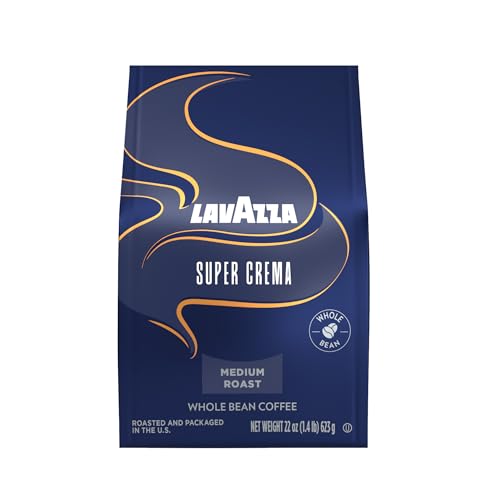
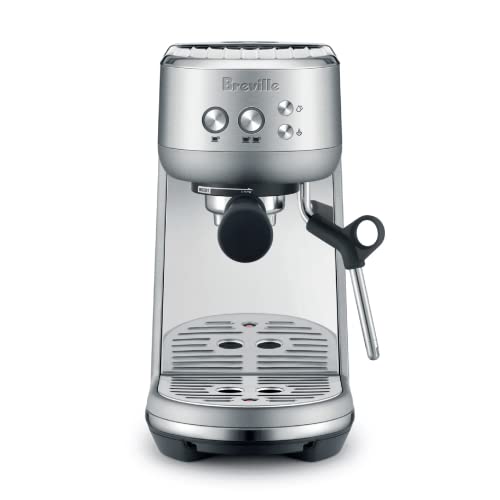
Breville's Bambino is a compact espresso machine with a ThermoJet heater that reaches extraction temperature in 3 seconds, digital PID temperature control, low-pressure pre-infusion and an automatic steam wand that sets milk temperature and texture. For a surgeon who leaves the house before 6 a.m. for a 7:30 start, a 3 second heat-up matters more than any other spec. It makes a cafe-style latte in the time it takes to find the car keys. At this price it is a family or group gift, and it pairs with the Lavazza beans on this page. It needs a grinder or pre-ground espresso, and it takes some practice to pull a good shot.
Pros
- 3 second heat-up
- Automatic milk steaming
- Small footprint
Cons
- Needs a grinder or ground espresso
- Learning curve
Best for: surgeons who are up before dawn