This section draws on public sources: the Bureau of Labor Statistics profile of musicians and singers and the voice care guidance from the National Institute on Deafness and Other Communication Disorders. Nobody here is a composite or an invented singer.
The Bureau of Labor Statistics profile of musicians and singers counts about 170,400 jobs. Almost half of those workers, 48%, are self-employed. Another 35% work for religious, grantmaking, civic and similar organizations, which covers church music staff, and 12% work in the performing arts. The paid jobs are only part of the picture. Many more people sing every week in church choirs, community choruses, worship bands and weekend cover bands while holding a day job, maybe at a desk next to yours.
The same profile describes the schedule. Singers rehearse and perform in the day or at night, on weekdays and weekends, and part-time or intermittent work is common. They travel often for performances, from a local wedding to a national tour. Training never ends: the bureau says singers need extensive training and regular practice, and most start with private lessons and school classes.
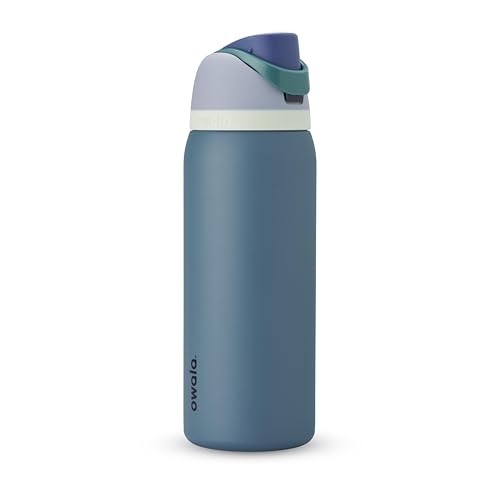
The voice itself sets the rules. The National Institute on Deafness and Other Communication Disorders lists singers among people who place great demands on their voices. Its advice reads like a singer's packing list: drink plenty of water, balance caffeine with extra water, rest the voice through the day, run a humidifier at home in winter, use a microphone when it helps and avoid talking over noise.
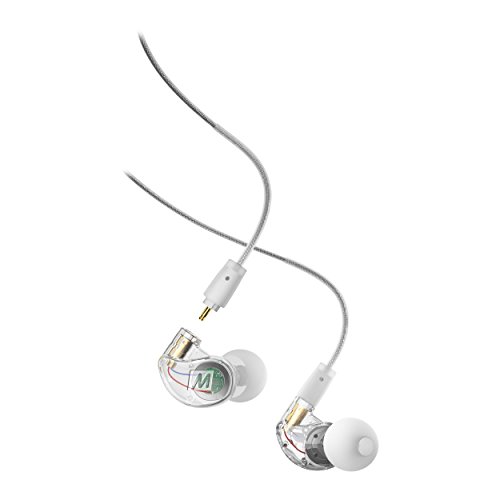
Put those together and you get the shape of a singer's week: evening rehearsals after work, a dry hotel room or a dry winter bedroom, a warm-up in the car, a loud stage on Saturday and an early service on Sunday. That shapes this list. Voice care comes first, rehearsal and stage tools second, and pride in the choir or the band third.