This section draws on public sources: the U.S. Small Business Administration's guide to managing business finances, the SBA's National Small Business Week page and IRS Publication 463. Nobody here is a composite or an invented owner.
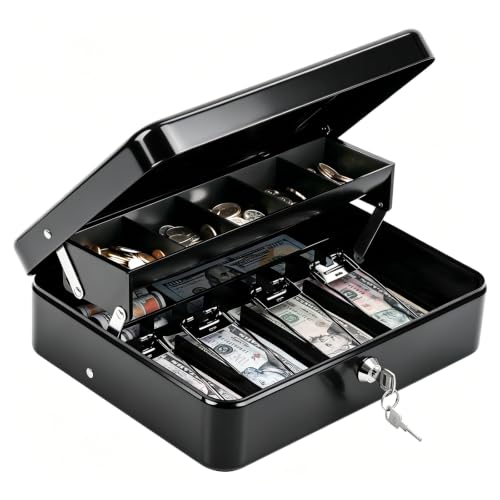
The customer sees the front of the business. The owner also runs the back. The SBA's guide to managing business finances says someone has to be responsible for accounts receivable and payable, available cash, bank reconciliation and payroll. In a small company, that someone is often the owner, late in the evening.
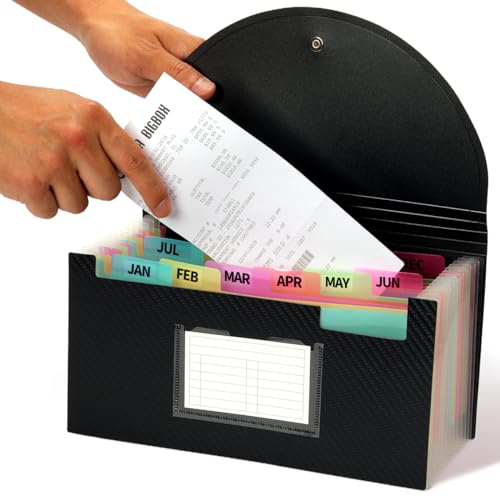
Paperwork stays around for years. The same guide says the IRS requires businesses to keep employment tax records for at least four years, and that common guidelines advise keeping records for three to seven. Owners with employees report payroll taxes quarterly and annually, and they need a business bank account to take checks and most payment methods.
None of that counts the actual work of the business: the customers, the orders, the staff schedule, the supplier who is late again. The SBA says it has honored small business owners with National Small Business Week for more than 60 years, which tells you how many of them there are and how rarely they get thanked.
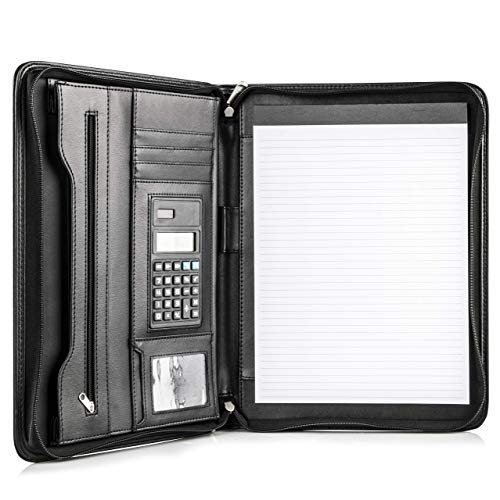
Put that together and you get the shape of the day: open early, serve customers, handle cash and orders, and do the books after closing. That shapes this list. Milestones for new owners come first, then the money and the desk, then the treats that get an owner through a long week.