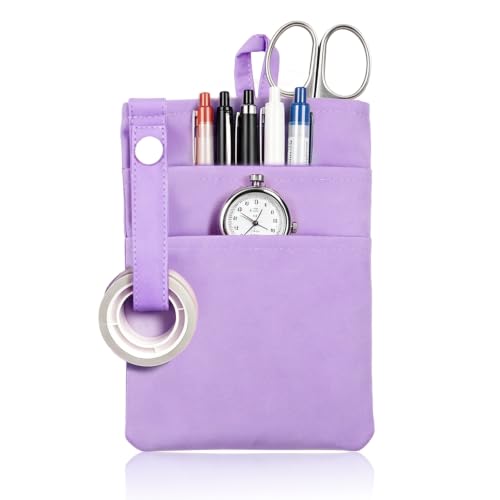
This section draws on the Bureau of Labor Statistics profile of nursing assistants and orderlies. We describe the work from public sources and invent no aides or stories.
The Bureau of Labor Statistics profile of nursing assistants counts about 1.5 million nursing assistant jobs. Nursing care facilities employ 36% of them, hospitals 32%, continuing care and assisted living communities 11%, and home health services 5%. Aides work under licensed practical nurses and registered nurses.
The duty list reads like a shift. CNAs clean and bathe patients, help them use the toilet and get dressed, turn and reposition them in bed, and transfer them between beds and wheelchairs. They take vital signs such as blood pressure and temperature, serve meals and help patients eat, and pass on what patients tell them to the nurse. In some states, trained aides can also give medication.
The physical side is heavy. The BLS says the work may be strenuous, aides spend much of their time on their feet, and nursing assistants and orderlies have one of the highest injury and illness rates of all occupations. Facilities run around the clock, so CNAs work nights, weekends and holidays.
Getting in takes a state-approved program with clinical work, then a state competency exam. Aides who pass go on the state registry, which a nursing home job requires. The BLS puts the median pay for nursing assistants at $42,260 a year, so a coworker gift does not need to be big to mean something.
Put together, a CNA's shift is a long walk between call lights, with gloves on and off every few minutes, a vitals round on a schedule, and a meal break that may come late or not at all. That is what this list is built around.