This section draws on the Bureau of Labor Statistics job profile for electrical and electronics engineers. It describes the job as that source shows it and does not invent an engineer.
The Bureau of Labor Statistics profile of electrical and electronics engineers counts 297,900 jobs in 2025: about 199,700 electrical engineers and 98,200 electronics engineers. Electrical engineers work most often for engineering services firms (22%), electric power companies (10%), computer and electronic product makers (10%), transportation equipment makers (7%) and construction (6%). Electronics engineers work for the federal government (15%), telecommunications (14%) and semiconductor makers (14%), among others.
The BLS lists the core duties. Electrical engineers design and develop devices and systems, set product requirements, use design software to build models, diagrams and layouts, test reliability and safety, supervise manufacturing or construction, write documentation and recommend design changes or repairs. Electrical engineers in the BLS sense work on motors, radar, navigation and power generation equipment. Electronics engineers design the circuitry inside audio, video, radar and sonar products.
Most of the work happens in an office, the BLS says, with travel to project sites when a system needs a look in person. Most work full time. Entry-level jobs need no license, and experienced engineers may earn a Professional Engineer license that lets them sign off on projects and serve the public directly.
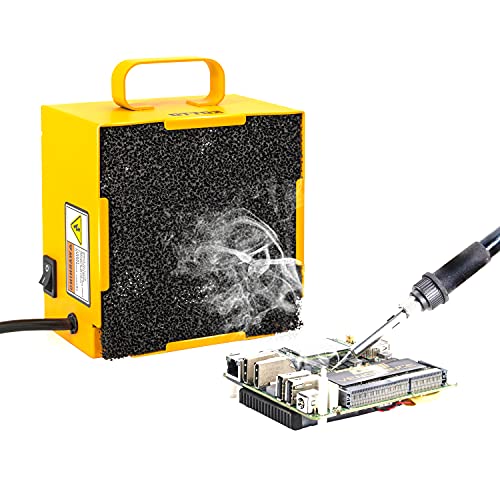
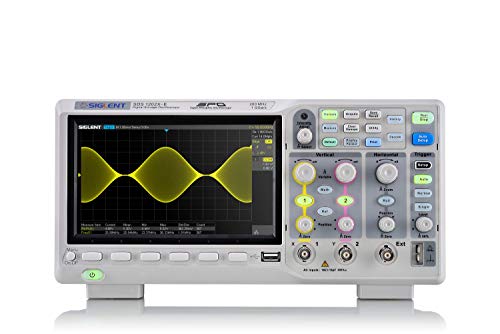
Put together, the day moves between a CAD or simulation screen, a design review, a lab bench with a scope and an iron, and now and then a substation, a plant floor or a customer site. That mix shapes this list.