Reusable high-fidelity earplugs with a 17 dB SNR rating, four sizes of silicone tips (XS to L) and a small carry case that clips to a keychain. The listing says they lower the volume without muffling the music, and they qualify as certified hearing protection. A DJ spends the night beside the main speakers and a booth monitor, and NIOSH has measured music rehearsals well past its recommended limit of 85 dB(A) over a workday. The WHO global standard for venues and events asks organizers to make hearing protection available to the people in the room. These look like jewelry, so a DJ can leave them in between tracks and still hear the mix. Expect to cue in headphones with one plug pulled.
Pros
- Lowers volume without muffling music
- Four tip sizes for a good fit
- Keychain case so they come to every gig
Cons
- DJs still cue in headphones with one ear open
- Less reduction than foam plugs
Best for: club, festival and wedding DJs
A steel laptop stand made for DJs that lifts a laptop above the controller or CD players on the table. The height adjusts, the listing says it holds up to 8 lbs, and anti-slip pads keep the gear still through a long set. DJs who play from Serato, rekordbox or Traktor look at the screen all night for waveforms and track lists, and a laptop flat on the table forces them to hunch. Raising it frees table space for the controller underneath, which matters in a tight club booth or on a folding table at a wedding. It is a plain tool, but a mobile DJ will set it up at every gig.
Pros
- Built for DJ setups
- Frees table space in a tight booth
- Quick to set up
Cons
- Not much to look at as a gift
- Check it fits their table if the booth is very small
Best for: DJs who play from a laptop
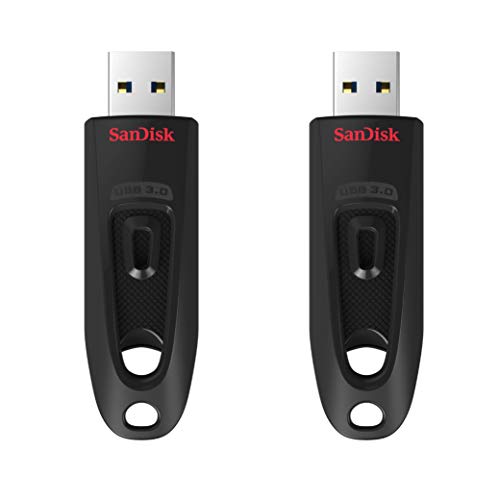
A two-pack of 64GB SanDisk Ultra flash drives, with read speeds up to 130MB/s on a USB 3.0 port and support for older USB 2.0 ports. Club DJs export their library from rekordbox to a USB stick and plug it into the venue's players; AlphaTheta, the company behind Pioneer DJ gear, publishes notices on how its players such as the CDJ-3000 read those exported drives. A stick that fails mid-set, or gets left in a CDJ at the end of the night, is a real fear, so most DJs carry a backup. Two identical drives make that easy. It is a dull gift on its own, so add a card or a mix name written on tape.
Pros
- Backup stick for every gig
- Fast USB 3.0 reads
- Trusted brand
Cons
- No fun factor
- Older players may need a specific format, which the DJ sets in their software
Best for: club DJs who play on CDJs
A padded cable bag sold for DJ gear, with two main layers, four removable dividers and pockets for cables, USB drives, adapters and small accessories. The shell is water-resistant PVC, and at 13 by 10 by under 5 inches it slides into a backpack or a road case. Every DJ has shown up to a gig missing one adapter or cable, and a mobile DJ who plays weddings carries a lot more of them than a club DJ. One bag with a place for each item makes the packing check fast. The shiny finish is a matter of taste, and it will not hold headphones or a controller.
Pros
- Dividers keep cables apart
- Water-resistant shell
- Fits inside a larger bag
Cons
- Not big enough for headphones
- Shiny finish is not for everyone
Best for: mobile DJs who haul their own gear
Closed-back over-ear headphones with 40mm drivers, ear cups that swivel 90 degrees for one-ear monitoring and a long coiled cable with both a 3.5mm and a 6.35mm plug. That is the feature list a DJ needs: one ear on the headphone, one on the room, and a plug that fits a home controller or a club mixer without an adapter. They make a good first pair for a coworker who has started DJing house parties or a weekend wedding side business. A working club DJ likely owns a favorite brand already, so a premium pair from the section below suits them better.
Pros
- Swivel cups for one-ear cueing
- Both plug sizes in the box
- Coiled cord stretches to the mixer
Cons
- A pro DJ will already own better headphones
- Plastic build for the price
Best for: beginner and hobby DJs
Three small disco ball lights, each with its own remote, three sound-activated modes and seven lighting modes. They plug in with a 3.6-foot cord and sit on a table or mount on a wall. A mobile DJ who plays a backyard birthday, a school dance or a small reception often brings the lighting along with the speakers, and a room with only overhead lights keeps people off the dance floor. Three units spread across a room or a DJ table add color without a DMX controller or a lighting tech. They are party lights, not stage fixtures, so a DJ with a full lighting rig will use them for small jobs only.
Pros
- Three lights and three remotes
- Sound-activated, no programming
- Small enough for a gig bag
Cons
- Party-grade, not stage fixtures
- Each one needs an outlet
Best for: mobile DJs who play private parties
A history of the disc jockey published by Grove Press, as the subtitle says. DJs tend to know their own scene well and less about where the job came from, and a book like this fills in the background behind the records they play. It works as a gift from a coworker who knows the DJ through a side gig or a crew who books them for every office party. It also suits a slow afternoon before a wedding or a flight to a festival. The book covers history, not technique, so a DJ who wants to improve their mixing should get the other Grove Press title on this list.
Pros
- Fits any DJ, from hobby to pro
- Good for travel days
- Inexpensive
Cons
- History, not a how-to
- A serious reader may already own it
Best for: DJs who care about the history of the craft
A single turntable slipmat in thick felt, 11.61 inches across, that ZDCUSTOM prints with a design you upload: a DJ name, a logo or a photo. The listing says the felt reduces static and vibration and fits most record players. On a turntable, the slipmat spins under the record in plain view of the crowd and every phone camera at the front of the booth, so a custom one works like a business card. Turntablists cue and scratch on felt, which is why DJs buy them in pairs. One mat comes per order, so order two for a two-deck setup. Leave a few extra days for the printing.
Pros
- Shows the DJ's name in every booth photo
- Felt, the material DJs scratch on
- Cheap enough to order a pair
Cons
- One mat per order
- Useless to a DJ who plays only controllers
Best for: vinyl and turntablist DJs
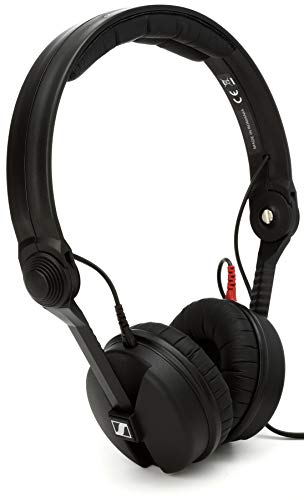
Sennheiser's on-ear DJ headphones, with a closed back, a detachable single-sided cable and lightweight aluminum voice coils that the listing says handle very high sound pressure levels. On-ear cups press against the ear and seal out a loud room, so a DJ can hear the cue track at a lower volume, which also spares their hearing. The light build stays comfortable through a long set, and the detachable cable means a broken cord costs a cable, not a new pair. Ask before buying if the DJ is attached to another brand, since headphone feel is personal. From a partner or a few friends, this is the gift a working DJ will use every night.
Pros
- Standard club headphone
- Detachable cable
- Light for long sets
Cons
- On-ear fit feels tight to some
- Personal choice; ask about brand first
Best for: a working club DJ who needs new headphones
A two-channel wireless microphone system with two metal handheld mics and a metal receiver. One-touch auto scan finds the least crowded frequency, each channel offers 100 frequencies, and the listing gives a range of 328 feet. A wedding DJ runs the grand entrance, the toasts and the bouquet toss, and a cable across the dance floor trips someone every time. Two mics cover the best man and the maid of honor at once. A mobile DJ with one aging wireless mic will use this every weekend. The receiver needs a free input on the DJ's mixer or speaker, so it suits a DJ who runs their own sound.
Pros
- Two mics for toasts and duets
- Auto scan for a clear channel
- Metal build
Cons
- Club DJs rarely need it
- Uses a mixer or speaker input
Best for: wedding, school dance and corporate event DJs