This section draws on the Bureau of Labor Statistics profile of security guards. Nobody here is a composite or an invented guard.
The Bureau of Labor Statistics profile of security guards and gambling surveillance officers counts about 1,294,300 security guard jobs in 2025. Guards protect property from theft, vandalism and other illegal activity. Typical duties include patrolling property, enforcing rules, monitoring alarms and video, responding to emergencies and writing reports.
More than half of guards, 58%, work for investigation, guard and armored car services, the contract companies that place guards at client sites. Schools, hospitals, retail and hotels and restaurants employ smaller shares. Most guards learn the job in a few weeks, and most states require a license, which usually means being at least 18, passing a background check and finishing training.
The physical side varies by post. The BLS says some guards spend considerable time on their feet patrolling buildings and grounds, others sit for long periods at a single post, and some patrol by vehicle. Guards may spend much of a shift at a desk in a dark room, watching several screens. They usually work shifts of about 8 hours on rotating schedules, night shifts are common, and because many buildings run around the clock, so do the guards.
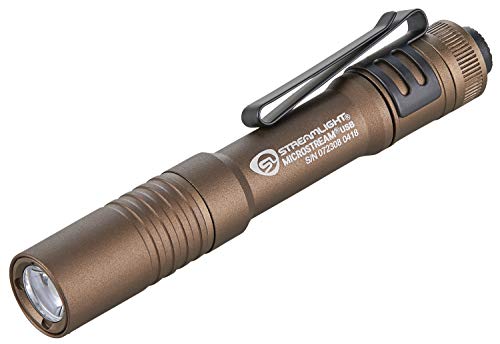
Put that together and you get the shape of a guard's night. A booth that is too cold in January and too hot in July. A route through the garage every hour with a flashlight. A thermos of coffee, a meal eaten at the post and a report written before the morning shift arrives.