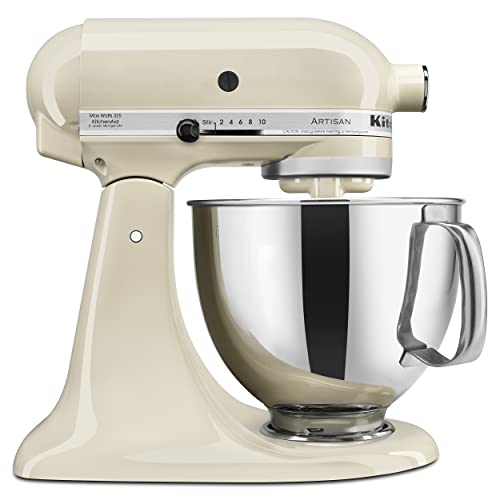
This section draws on the Bureau of Labor Statistics profile of bakers. Nobody here is a composite or an invented baker.
The Bureau of Labor Statistics profile of bakers counts 262,400 jobs in its latest figures. Bakeries and tortilla makers employ 30% of them, grocery and specialty food stores 23%, and about 10% work for themselves. So the baker you are shopping for could work a production line, a supermarket bakery counter, a restaurant pastry station or their own stall at a farmers market.
The hours shape everything. The same profile says baker shifts often include early morning, night, weekend and holiday work, and some facilities run around the clock. Bread has to be on the shelf when the doors open, so the day starts in the dark and the deadlines are real. The bureau describes the work as stressful because bakers must keep quality consistent while following time-sensitive steps.
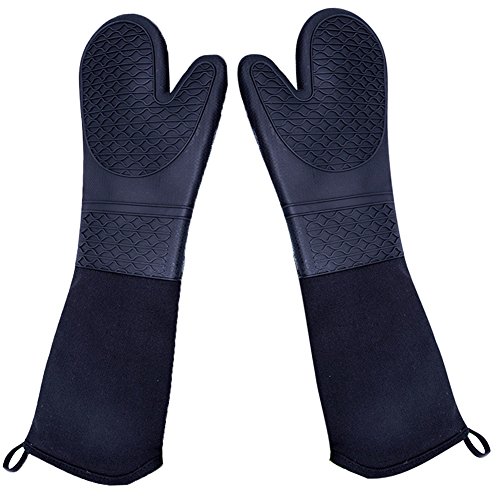
The job is also physical. Bakers stand for long periods while they make dough, watch the oven and clean equipment. They work near hot ovens, mixing machines and dough cutters, and the bureau lists back strain from lifting, cuts, scrapes and burns as the usual injuries. Many bakers wear heat-resistant gloves and aprons to cut the risk.
Put those together and you get the shape of a baker's day: an early alarm, dough on a timer, an oven that burns forearms, and feet that ache by noon. That shapes this list. Dough and sourdough tools come first, heat protection second, and comfort for early shifts third.