Top 10 Healthcare Worker Gifts, Reviewed
These reviews cover the ten gifts that solve the most common problems across hospital and clinic jobs. They are based on the Amazon listings and on the sources above. We did not test the products ourselves; our selection method explains how each gift made the list.
A 2 oz tube of shielding lotion sold for people who wash their hands all day. The CDC notes that some healthcare personnel clean their hands as often as 100 times during a shift, and that lotions and creams can prevent and decrease the dryness that follows. The listing describes a fragrance-free, non-greasy formula that absorbs fast and stays on through washing, which is what matters on a unit where hands go straight back into gloves. The tube is small enough for a scrub pocket or a locker shelf. One caution from the same CDC page: staff should use lotions approved by their facility so the cream does not interfere with hand sanitizer, so it is worth a quick check with the unit before giving a dozen.
Pros
- Fragrance-free, so it suits patient areas
- Pocket-size tube
- Built for repeated hand washing
Cons
- Some facilities only allow approved lotions
- Small tube runs out fast on heavy use
Best for: anyone who washes and sanitizes all shift
Graduated compression socks rated 20–30 mmHg, with the most pressure at the ankle and less up the calf. Standing for long stretches is part of most hospital jobs: the Bureau of Labor Statistics notes it for respiratory therapists and pharmacists, and anyone who has walked a 12-hour shift on a med-surg floor knows the feeling in the legs by the end. The knit is nylon and spandex with a seamless toe, and the socks go in the washing machine. Plain black works under any scrub color. The catch is sizing: the listing sizes them by shoe size and calf width (S/M, L/XL, XXL), so a coworker needs to know or ask. Firm compression is not for everyone, so this suits someone who already wears it.
Pros
- Graduated 20–30 mmHg support
- Plain black goes with any scrubs
- Machine washable
Cons
- Needs a size by shoe and calf
- Firm compression is not comfortable for everyone
Best for: nurses, techs and therapists on their feet all shift
A 30 oz stainless steel tumbler with a handle, a straw and a rotating three-position lid. It is double-wall vacuum insulated, so ice water stays cold for hours in a warm hospital, and it is dishwasher safe, which matters when it gets washed in a break room sink. The handle makes it easy to carry from the car to the unit, and the base fits a car cup holder. On a busy shift, a big bottle with a straw parked at the workstation is the easiest way to drink anything at all. Stanley backs the cup with a lifetime warranty. Some units do not allow drinks at certain stations, so it lives in the break room or at the desk.
Pros
- Holds 30 oz with a straw and handle
- Dishwasher safe
- Fits a car cup holder
Cons
- Some areas ban open drinks near patients
- Lots of people already own one
Best for: hydrating on long shifts with few breaks
A black nylon pocket organizer, 6 by 5 inches, with five pockets for the small things a clinician carries all shift: pens, a penlight, tape, trauma shears or alcohol pads. It slips into a scrub pocket and keeps those things upright instead of in a pile, or it rides on a belt through the loop on the back. Nurses, techs, medical assistants and respiratory therapists all carry the same small kit, which makes it one of the few gifts that suits almost anyone on a hospital floor. It is cheap and plain, so it works as a Secret Santa add-on or a stocking stuffer for the unit. It does not look like much in a box, so add a card or a few good pens inside.
Pros
- Five pockets keep small tools upright
- Belt loop option
- Fits almost any clinical role
Cons
- Plain to unwrap
- Some people prefer scrubs with built-in pockets
Best for: anyone whose scrub pockets overflow by mid-shift
A box of 40 individually packed snacks: American candy, fruit snacks, cookies and bars. Food shared with the whole unit is the gift hospitals accept most easily. Harris Health's gift policy, for example, lets staff accept perishable gifts from patients such as food when the gift is shared with the department or unit. A snack box goes one step further than a tray of cookies: nothing needs to be cut, refrigerated or eaten within a day, and the night shift gets the same choice as the day shift if you split it. It is mostly candy and sweets, so if the unit runs a healthy-snack drawer, add fruit or nuts on the side.
Pros
- 40 wrapped snacks feed a whole shift
- No fridge or plates needed
- Easy to split between day and night shift
Cons
- Mostly sweets
- Not much for staff with food allergies to choose from
Best for: a thank-you for the whole unit, any shift
A contoured sleep mask with 16 mm deep eye cups, so nothing presses on the eyelids or lashes, and a shape the listing says holds its place for side sleepers. NIOSH's training course for nurses on shift work says the bedroom should be very dark for day sleep, and that an eye mask works if it stays on for the whole sleep period. A contoured mask is more likely to stay put than a flat one. The fabric is washable and the mask comes with a travel pouch, so it also works for a nap in a call room or a quiet corner on a break. It is a small, cheap gift that a night-shift coworker will use the same morning.
Pros
- Blocks light without pressing on the eyes
- Stays on for side sleepers
- Washable, with a pouch
Cons
- Some people find any mask too warm
- Does nothing for noise; pair with earplugs
Best for: night-shift staff who sleep during the day
Reusable silicone earplugs rated up to 24 dB of noise reduction, with four ear tip sizes from XS to L and a carry case. NIOSH's training for nurses on shift work names the usual sleep wreckers (traffic, jets, pets, bed partners) and suggests earplugs or a white noise machine to cover them. For someone sleeping after a night shift, add daytime noise: deliveries, yard work and a household that is wide awake. Loop's design is flexible and low-profile, so it is comfortable lying on one side, and the plugs can be washed and reused, unlike a jar of foam plugs. The case fits in a work bag for a nap on a break.
Pros
- Up to 24 dB noise reduction
- Four tip sizes for a good fit
- Reusable and washable
Cons
- Blocks less than the best foam plugs
- Small enough to lose in the sheets
Best for: sleeping through a noisy day after nights
A card game for 2–6 players from Nick Seluk's The Awkward Yeti comics. Everyone gets organ cards, then attacks the other players with real afflictions and defends with immunity cards; the last person holding an organ wins. Each affliction matches the organ it really attacks, which is why medical people enjoy it: the jokes land harder when you know what necrosis or gallstones do. The listing says it is played in hospital break rooms and residency groups. The deck comes in a hardcover, book-style case that sits on a shelf. It suits a white elephant swap, a unit holiday party or a gift for a coworker with kids, since it is rated for ages 8 and up.
Pros
- Anatomy jokes medical staff get
- 2–6 players, quick to learn
- Book-style case looks good wrapped
Cons
- A full game can run 90 minutes, longer than most breaks
- Expansions sold separately
Best for: a unit Secret Santa or a break-room game
A 17.3 by 28 inch mat made of cushioned PVC foam, with a diamond-pattern non-slip base and beveled edges so carts and feet do not catch on it. The Bureau of Labor Statistics notes that pharmacists spend much of their workday standing, and in a retail or hospital pharmacy that usually means one spot: the verification station, the counseling window or the counter where prescriptions go out. A mat for that spot is a gift that gets used every hour. It wipes clean with a wet cloth. It is sold as a kitchen mat, so ask the pharmacy manager first: some pharmacies have rules about what goes on the floor, and a mat should lie flat and dry to stay put.
Pros
- Cushions the one spot a pharmacist stands on
- Non-slip base and beveled edges
- Wipes clean
Cons
- Needs the manager's OK for the pharmacy floor
- Awkward to wrap
Best for: a pharmacist who stands at one counter all day
A corded shiatsu massage pillow with eight kneading nodes, three intensity levels, two directions and optional heat. It comes with a wall adapter and a car charger. Dental hygiene is hard on the neck and shoulders: a national survey of 624 Australian dental hygienists found that 85% reported neck problems and 70% shoulder problems in the previous 12 months. The work happens bent over a patient, often with the arms raised, all day. A massager that sits on the couch or in the car for the drive home goes straight at that pain. It is not a treatment, just a comfortable twenty minutes, and a hygienist with ongoing pain should see someone about it.
Pros
- Targets the neck and shoulders
- Heat is optional
- Works at home or in the car
Cons
- Corded, so it needs an outlet or a car socket
- Deep kneading can be too strong for some
Best for: a hygienist with a sore neck after a full schedule
Healthcare Worker Gifts Compared
The table lines up the main gifts by who they suit and what type of gift they are. Prices load live from Amazon.
Healthcare Jobs With Their Own Gift Guides

Some healthcare jobs have problems specific enough to need their own guide. This page sticks to gifts that fit anyone in a hospital or clinic; the guides below go deeper on one job each.
Doctors
Doctors deal with call nights, pens that never come back and charting that runs past the end of clinic. Our gift ideas for doctors cover stethoscope name tags, gifts for residents and Doctors' Day, along with the rules on gifts from drug companies.
Veterinarians
Veterinary teams do clinical work on patients who cannot say where it hurts and sometimes bite. That calls for its own list: see our gifts for veterinarians.
Social Workers
Medical social workers help patients and families with discharge plans and hard conversations, and many more work in schools and agencies. Our gifts for social workers start from the emotional side of that work.
Nurses
Nurses work 12-hour shifts on their feet, skip lunch more often than not and carry the night shift. Our gift ideas for nurses go unit by unit, from ER and ICU to L&D and NICU, and cover Nurses Week and gifts from patients.
Therapists
Physical, occupational and speech therapists and mental health counselors share the long days on their feet and the emotional work, but each room needs different things. Our gifts for therapists split the list by specialty, and the PT gym has its own guide to gifts for physical therapists.
EMTs and Paramedics
EMTs and paramedics hand patients over at the ambulance bay and work 24-hour shifts out of a station. Our gifts for EMTs cover the rig, the station and EMS Week, and the rest of the 911 chain is in our gifts for first responders.
- Gifts for NursesNurse gifts built around hospital shifts: tired feet, dry hands, cold coffee, missed meals, day sleep after nights, unit specialties, Nurses Week and the rules on gifts from patients.
- Gifts for DoctorsDoctor gifts built around hospital and clinic life: call nights, missing pens, stethoscopes, meals between cases, hours of charting, Doctors' Day and the rules on gifts from patients.
- Gifts for VeterinariansVeterinarian gifts built around clinic and farm life: long days on your feet, bites and scrubbed hands, animal hair, emergency shifts, hard days with euthanasia appointments and what pet owners can give.
- Gifts for Physical TherapistsPhysical therapist gifts built around the job: long days on their feet, lifting and guarding patients, hands-on treatment, documentation and home health driving, plus picks for OTs, PT assistants and DPT students, and the APTA ethics rule on gifts.
- Gifts for TherapistsTherapist gifts for counselors, physical and occupational therapists and speech-language pathologists: the therapy office, hands and feet, voice and materials, heavy days, and what clients may give.
- Gifts for Social WorkersSocial worker gifts built around caseload life: paperwork, home visits and driving, heavy days, tight agency budgets, Social Work Month and the rules on gifts in public agencies.
DIY and Non-Store Gift Ideas
The best healthcare gifts sometimes cost little and come from home or from a grateful family. These ideas work for coworkers, patients and neighbors.
- A night-shift breakfast. Bring a breakfast casserole or a tray of breakfast burritos at 6 a.m. for the night crew, who leave as everyone else arrives.
- A care kit for a new hire. Fill a lunch bag with lotion, a pen, snacks and a note with the unit's unwritten rules. New grads remember the person who did this.
- A letter to the manager. If a nurse, tech or pharmacist helped your family, write down what happened and send it to their manager as well as to them. Praise that reaches the manager is harder to forget than a mug.
- A covered shift. Among coworkers, taking a holiday shift or a weekend so someone can see family is worth more than anything on this list.
- Kids' drawings. Schools and scout troops can send cards drawn by students. They tend to stay taped to break room walls for a long time.
Group Gifts for a Hospital Unit or Clinic
A group gift for a hospital unit works best when everyone on every shift gets a share. Plan it with the charge nurse or practice manager so it fits the rules and reaches nights and weekends too.
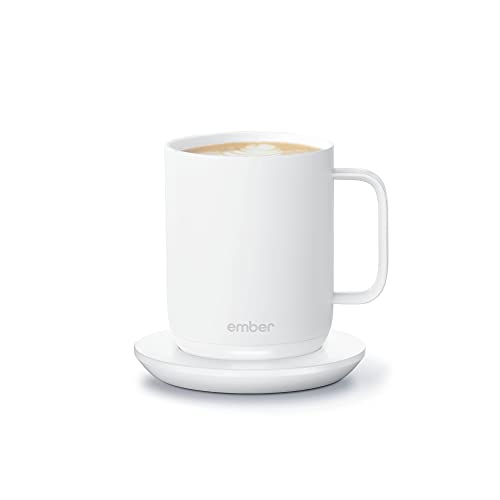
For a group gift to one person, such as a retirement, a promotion or someone finishing a degree, ask each person for $5–20. Ten people at $10 covers the Ember Mug 2 with a card everyone signs. Fifteen people at $6 can reach the RENPHO foot massager for a nurse who has walked hospital floors for 30 years.
For a gift from a manager or a family to the whole unit, think in shifts: a snack box for days and another for nights, a coffee pod variety pack for the break room, and a 24-pack of badge reels so every person gets one. Collect money through one person, keep a list and avoid cash gifts.
What to Write in a Card for Healthcare Workers
The best card for a healthcare worker names one specific thing they did. Pick a line below and add a sentence of your own.
From coworkers
- "Thanks for always grabbing my call light when I was stuck in a room. I owe you about 400 coffees."
- "You made my first year on this unit survivable. Thank you for every question you answered twice."
- "Happy Nurses Week to the person who restocks the supply room without being asked."
- "Twelve hours with you feels like eight. Most days."
From patients and families
- "Thank you to the night team for the warm blankets and for explaining everything twice."
- "You talked my dad through his scariest night. We will never forget your name."
- "Thank you for catching the allergy on our daughter's prescription and calling us right away."
- "Our son now wants to be a respiratory therapist. Thank you for making his breathing treatments fun."
For retirement
- "Thirty years of 12-hour shifts. Your feet have earned the rest of your life off."
- "The unit runs on what you taught us. Thank you for every one of those lessons."
Funny
- "Thanks for keeping your cool on the full moon shift."
- "To the only person on the unit who can find a working printer."
Can Patients Give Gifts to Hospital Staff?

Yes, within the hospital's gift policy. Rules differ by employer, so check before you buy, but many policies follow the same pattern: shared food is fine, personal gifts are discouraged, and cash is out.
Harris Health's gift policy, from the public hospital system in Houston, is a good example. It prohibits staff from accepting cash or cash equivalents such as gift cards from patients and strongly discourages other gifts. Staff may accept perishable gifts such as food and flowers if they share them with the department or unit, and handmade gifts of nominal value, under $50 in that policy. A patient who wants to give money is pointed to the hospital or its foundation.
For physicians, the AMA Code of Medical Ethics opinion on gifts from patients says gifts offered out of gratitude can strengthen the relationship, but doctors should decline gifts that are disproportionately large or that they would be uncomfortable having colleagues know about. The safest gift almost everywhere is food for the whole unit and a card that names the people who helped.
What Not to Give Healthcare Workers
Some gifts cause problems for clinical staff even when the thought is kind. Skip these.
- Scented lotions, candles and perfume. Patients may be sick, pregnant or sensitive to smells, and the CDC asks staff to use hand lotions approved by their facility so they do not interfere with hand sanitizer. Fragrance-free or nothing.
- Cash and gift cards from patients. Hospital policies such as Harris Health's treat gift cards as cash and bar both. Give food for the unit instead.
- Clothing that needs a size. Scrubs, clogs and jackets are personal and sized. Leave them to family, who know the size and the brand.
- Medical equipment. Facilities choose what touches patients. A stethoscope is a family gift for one person who has asked for it, not a unit gift.
- Generic office gifts. A desk plant or a candle has no link to a 12-hour shift and tends to end up in a drawer.
Gifts for Every Occasion

Healthcare workers mark the year with a few dates the rest of us forget. Each one calls for a different gift, and the full list is on our professional appreciation days calendar. Moments any workplace shares, like a farewell or a promotion, are in our occasion gift guides.
Christmas
Hospitals do not close for Christmas, so the best holiday gifts make the holiday shift easier. A popcorn tin or a snack box delivered on Christmas Eve reaches the night shift that is missing dinner at home. For a unit Secret Santa, the Organ Attack card game or the coffee and scrubs mug gets a laugh, and our Secret Santa gifts for coworkers cover the swap itself.
Doctors' Day (March 30)
National Doctors' Day falls on Tuesday, March 30, 2027. Breakfast for the physicians' lounge or a card from the nurses are simple ways to mark it in a hospital. The doctors guide linked above has more ideas.
Nurses Week (May 6–12)
National Nurses Week runs May 6–12, 2027. Food for every shift, a card from the unit manager and small gifts like sleep earplugs or a heart badge reel all fit. Plan for the night shift first, since they can miss a celebration held at noon.
Retirement
A retirement after decades of shifts deserves a group gift: the Ember mug for slow mornings or the foot massager for feet that walked the halls for years, with a card signed by every shift.
Gifts from Family, Coworkers and Patients
The right healthcare gift depends on who gives it. Family can spend more and get personal, coworkers should stay practical, and patients need to respect hospital rules.
From a Spouse or Partner
Budget: no upper limit. A partner knows the schedule and which body part hurts after a shift. The Bob and Brad mini massage gun for shoulders sore from lifting and turning patients, the RENPHO foot massager or a sunset cruise from the experiences above all fit. So does a protected, quiet house the morning after nights.
From Coworkers
Budget: $10–50. Coworkers know the job, so practical beats sentimental. The Stanley Quencher, the embroidered lunch bag or the photo badge reel get used on the next shift. For a manager, pool money instead of giving alone, as in our group gifts for a boss. For ideas that fit any office, see our list of gifts for coworkers.
From Patients and Families
Budget: food for the unit and a card. Hospital gift policies apply here most of all, so think shared and perishable. A snack box with a card addressed to the unit, a tray of breakfast for the night shift, or a letter to the manager naming the people who helped all reach the right people without breaking a rule.
FAQ About Gifts for Healthcare Workers
What is a good gift for a healthcare worker?
A good gift for a healthcare worker fixes a problem of the shift. Fragrance-free hand lotion for hands washed dozens of times a day, a scrub pocket organizer, a big insulated tumbler or sleep earplugs for the day after nights all get used within a week. Skip anything scented and anything that needs a clothing size.
What do you give a whole hospital unit?
Give food the whole unit can share across every shift. A snack box, a popcorn tin or a coffee pod variety pack works better than a cake, because the night shift gets some too. A card signed by the family and addressed to the unit is the part staff remember. Ask the charge nurse about allergies first.
Can patients give gifts to hospital staff?
Yes, within hospital policy. Many hospitals let staff accept food or flowers that are shared with the unit, discourage personal gifts to one person and ban cash and gift cards. Harris Health's policy in Houston, for example, works that way. A thank-you card naming the staff member is the safe choice everywhere.
Can nurses and hospital staff accept cash or gift cards from patients?
Usually no. Hospital gift policies commonly treat gift cards as cash and bar both from patients. Harris Health's policy prohibits staff from accepting cash or cash equivalents such as gift cards and points patients who want to give money to the hospital or its foundation instead. Give food for the unit or a card.
How much should you spend on a gift for a healthcare worker?
Coworkers usually spend $10–30 on a gift for a fellow nurse, tech or pharmacist, and up to $50 for a close work friend. For a manager or a retiring colleague, a group gift with $5–20 per person works better. Patients and families should keep it to shared food and a card.
What is a good gift for a pharmacist?
A good gift for a pharmacist helps with long hours on their feet. An anti-fatigue mat for the verification counter, a pharmacist mug, pill-pattern socks or smiling pill stress balls for the whole pharmacy team all work. Pharmacists in 24-hour hospitals also work nights, so sleep earplugs fit too.
What is a good gift for a dental hygienist?
A good gift for a dental hygienist eases the neck and shoulders. A shiatsu neck massager with heat is the standout, since neck pain is the most common complaint in a large survey of hygienists. Smaller ideas include a tooth badge reel, tooth-print claw clips for hair under safety glasses and a hygienist mug.
What do healthcare workers on night shift need?
Healthcare workers on night shift need good day sleep and food that waits for them. A contoured blackout sleep mask and reusable earplugs help with sleep, since NIOSH tells shift-working nurses to keep the bedroom very dark and block noise. A snack box or coffee pods for the unit covers the 3 a.m. slump.
What should you not give a healthcare worker?
Skip scented lotions, candles and perfume, since patients can be sick or sensitive to smells and facilities prefer approved lotions. Avoid clothing that needs a size, cash or gift cards from patients, and medical equipment the facility has not chosen. Generic gifts with no link to the job tend to end up in a drawer.
What do you write in a thank-you card to hospital staff?
Name what the staff did, then say thanks. For example: Thank you to the night team on 4 West for the warm blankets and for explaining everything twice. Address it to the unit and name people if you remember them. A card like that often ends up on the break room wall, so specific beats long.