The best gifts for first responders work for police, firefighters, EMTs and dispatchers alike: coffee and snacks for the whole station, a white noise machine or sleep mask for day sleep after nights, rechargeable hand warmers and a challenge coin for each person on shift. Coworkers usually spend $15–35. National First Responders Day falls on October 28.
Three gifts work for almost any station: the Lavazza K-Cup box for a crew that runs on coffee, the Royal Dansk tin as the budget pick, and the engraved tumbler when the gift should carry a name.
Buying as a team or as family? Skip to the experience gifts further down: helicopter tour, food tour, brewery tour.
Stations, precincts and dispatch centers run around the clock, and the break room coffee maker never rests. This 64-pod box mixes four Lavazza blends, from a light breakfast roast to the espresso-style Super Crema, and fits any Keurig.
Best for: a station, precinct or dispatch center with a Keurig
A 48-ounce tin of Danish butter cookies sits on the station counter and feeds every shift that walks past it. The cookies keep well in the tin, so B shift still gets some after A shift goes home.
Best for: community groups and neighbors thanking a whole station
Every station sink holds a dozen identical tumblers. This one has a laser-engraved name, keeps coffee hot for 8 hours and fits a cup holder in a cruiser or a rig. Add a unit or station number if you know it.
Best for: a crewmate, a new hire or a retiring dispatcher
Police officers, firefighters, EMTs and dispatchers have different jobs and the same problems: shifts that run 12 or 24 hours, meals eaten between calls, sleep during the day, and long hours in the cold or heat. The first responder gifts that get used solve one of those problems, or feed the whole crew. This guide groups 32 gifts for first responders by those problems, with first responder appreciation gifts for an entire station, a section for 911 dispatchers and search and rescue volunteers, and a premium section for family or the whole team. It also covers what departments allow and National First Responders Day on October 28. For guides to other jobs, see our gifts by profession index.
A Day Across the First Responder Field
This section draws on public sources: the Bureau of Labor Statistics job profiles for police, firefighters, EMTs and dispatchers, a 2017 Senate resolution, a county search and rescue team's volunteer page, and two guides to thanking dispatchers. Nobody here is a composite or an invented first responder.
The 2017 Senate resolution supporting Honoring the Nation's First Responders Day defines first responders as professional and volunteer fire, police, EMT and paramedic workers, and puts their number at more than 25.3 million. This guide also counts the dispatchers who take the call first.
Their days differ in the details. The BLS says firefighters may work 24 hours on and then 48 or 72 hours off, and they sleep and eat at the station during the shift. The same profile notes that most calls to firefighters are medical emergencies, not fires. EMTs and paramedics work indoors and outdoors in all types of weather, spend much of their time standing, kneeling and lifting, and some work shifts of 12, 18 or 24 hours. For police officers, the BLS says shift work is necessary to protect the public at all times and paid overtime is common.
Then there are the people at the console. Public safety telecommunicators often work 8- to 12-hour shifts, including evenings, weekends and holidays, because dispatch centers stay staffed around the clock. The BLS says the job may be stressful and requires monitoring several displays at once.
Volunteers fill the gaps. A county search and rescue team in Arizona, Mohave County SAR, says its members must be ready to be called out at any time of day or night, sometimes in very bad weather, and pay for much of their own equipment.
That shapes this list. Shared food, shift work, sleep and weather come first, because they cross every job. Gear that one profession uses, such as a duty belt pad or a firehouse skillet, lives on that profession's own page.
What First Responders Actually Need
First responders need gifts that fit shift life across the whole field, and few of them need another hero-themed knickknack. Five needs come up in every source above.
Food for the whole crew. Meals get interrupted, and nights run long. Coffee pods for the station machine, a cookie tin, a popcorn tin, single-serve snacks and jerky that needs no fridge.
12- and 24-hour shifts. One packed lunch is not enough. A tough insulated lunch box, a food jar that keeps soup hot for 14 hours and compression socks for long hours standing.
Sleep after nights. Police, EMTs, firefighters and dispatchers all work overnight and sleep while the street is awake. A white noise machine, a contoured sleep mask, reusable earplugs and blackout curtains.
Cold and heat. EMTs, officers and firefighters stand at the same scenes in every season. A Stanley bottle, rechargeable hand warmers, hot cocoa for the break room and a neck fan for summer details.
Recognition. A thank-you that names the whole field. A challenge coin for each person on shift, a card game for station downtime and a sign that thanks everyone who answers the call.
Pride matters to many first responders, but a gift for a mixed group should name first responders in general. Thin blue line and thin red line items suit one officer or one firefighter, and you will find them on those pages.
First Responder Appreciation Gifts for the Whole Station
First responder appreciation gifts work best when every shift can share them. Food and coffee lead every list of ideas, from the IAED's guide to celebrating dispatchers to APCO's survey of what agencies give, and they fit most department rules.
Lavazza Favorites K-Cup Variety Pack, 64 Count
Stations, precincts and dispatch centers run around the clock, and the break room coffee maker never rests. This 64-pod box mixes four Lavazza blends, from a light breakfast roast to the espresso-style Super Crema, and fits any Keurig.
Best for: a station, precinct or dispatch center with a Keurig
A 48-ounce tin of Danish butter cookies sits on the station counter and feeds every shift that walks past it. The cookies keep well in the tin, so B shift still gets some after A shift goes home.
Best for: community groups and neighbors thanking a whole station
The Popcorn Factory 3-Flavor Popcorn Tin, 3.5 Gallons
Night shifts at a station or a dispatch floor run long between meals. This 3.5-gallon tin holds about 56 cups of cheddar, butter and caramel popcorn, enough for a whole crew to graze through a night.
First responders often eat in pieces between calls. Forty single-serve bags of chips, cookies, crackers and nuts let each person grab one on the way out the door, with nothing to share from a common bowl.
Best for: a station or ambulance base where meals get interrupted
Jack Link's Spicy Jerky Variety Gift Pack, 15 Pack
Protein that needs no fridge rides along in a patrol car, an engine or an ambulance. This 15-pack mixes sweet and hot jerky, peppered beef steaks and jalapeno stick-and-cheese combos for the crew that likes some heat.
Gifts for long shifts help a first responder eat well when the day runs 12 hours or more. They work for an officer in a cruiser, an EMT on an 18-hour shift or a firefighter on a 24.
Carhartt Worksite Insulated Lunch Box
A 12-hour shift needs more than one meal, and the cruiser, the rig and the engine are hard on bags. This Carhartt cooler has a tough shell and two insulated compartments that keep food and drinks apart.
Best for: any first responder who packs food for a 12-hour shift
Microwaves at stations and dispatch centers have lines at meal time, and calls interrupt the line. This food jar keeps soup or chili hot for up to 14 hours, and the lid doubles as an insulated bowl.
Best for: night-shift workers who want a hot meal at 3 a.m.
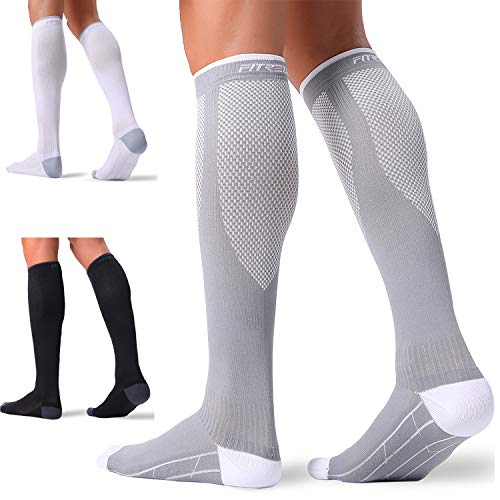
EMTs stand, kneel and lift through long shifts, and firefighters and officers spend hours on their feet too. These knee-high 20-30 mmHg socks have cushioned soles and come in two sizes by calf width.
Best for: EMTs and anyone on their feet for 12 hours
Sleep gifts help anyone who comes home at 7 a.m. and needs to sleep through a bright, noisy day. They suit every first responder job, including dispatch.
Yogasleep Dohm Classic White Noise Machine
After a night shift, a first responder sleeps while the rest of the street mows lawns and slams doors. The Dohm makes steady fan-based white noise from a real fan inside, with two speeds to set the tone.
Best for: anyone who sleeps days after night shifts
Blackout matters most when the sun is up and the shift just ended. This contoured memory foam mask blocks light without pressing on the eyes, and the satin finish suits anyone who sleeps on their side.
Best for: day sleep after a night shift or a nap in the bunk room
Bunk rooms are noisy, and so are houses at noon. These reusable silicone earplugs have a low profile for side sleepers, five tip sizes from XXS to L and an aluminum case that clips to a duty bag.
Best for: side sleepers in a bunk room or at home after nights
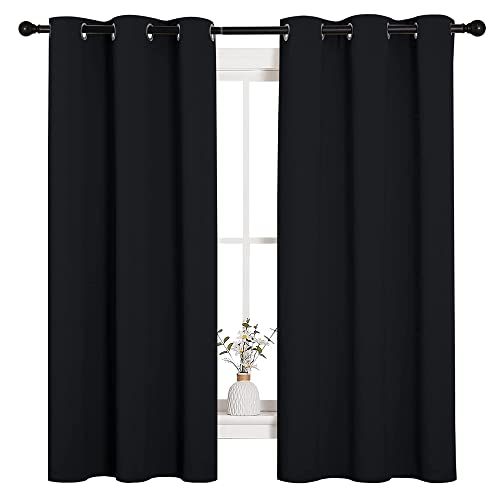
A bedroom that stays dark at 2 p.m. helps more than any gadget after a night shift. These black grommet panels block 85 to 99 percent of light, cut street noise and hang on a standard rod.
Best for: a new officer, EMT or dispatcher starting on nights
Weather gifts keep a first responder comfortable at a winter crash scene or a summer parade detail. Hand warmers and a hot drink cover the cold, and a neck fan covers the heat.
Stanley Classic Vacuum Bottle, 1.1 Qt
Coffee from the station pot goes cold fast on a winter traffic post or a long scene. This Stanley bottle keeps drinks hot for up to 24 hours, and the lid doubles as an 8-ounce cup.
Best for: outdoor posts, long scenes and winter nights
Double Donut Gourmet Hot Cocoa Variety Pack, 30 Count
Thirty packets of flavored hot cocoa in classic, white chocolate, salted caramel, peppermint and more. A box left in the break room warms up a crew coming in from a cold scene, and nobody has to like coffee.
Gloves come off to write, to treat a patient or to work a radio. These two magnetic hand warmers heat up to 137°F, split into two pockets, and one doubles as a 5,000mAh phone charger.
Best for: winter scenes, traffic control and outdoor posts
Summer details, parades and long outdoor scenes mean hours in the heat. This hands-free neck fan has three speeds and runs 4 to 16 hours on its 4,000mAh battery, so both hands stay free.
Best for: summer events, outdoor posts and hot station bays
After a night of cold calls, warming up fast matters. This 50 by 60 inch flannel and sherpa throw has six heat levels, a preheat setting and an 8-hour auto shut-off, so a tired sleeper can drift off under it.
Thank-You and Pride Gifts Without Department Insignia
These first responder gifts carry pride or a thank-you without copying a badge, patch or seal. They name the whole field, so they work for a mixed crew or a whole station.
First Responders Challenge Coins, 10 Pack
Ten coins, one for each person on the shift. The front shows a police officer, a firefighter and an EMS responder over a flag with the words First Responders, so nothing copies a department badge or patch.
Best for: thanking a whole shift on First Responders Day
First responders have a dark sense of humor, and quiet hours at the station need something to do. This 500-card party game, built around fill-in-the-blank prompts, was made for firefighters, medics and dispatchers.
Best for: station downtime and the crew white elephant swap
Every station sink holds a dozen identical tumblers. This one has a laser-engraved name, keeps coffee hot for 8 hours and fits a cup holder in a cruiser or a rig. Add a unit or station number if you know it.
Best for: a crewmate, a new hire or a retiring dispatcher
Thank You for Always Answering the Call Wooden Sign
An 8 by 11 inch wooden sign with a stand that reads Thank You for Always Answering the Call. It covers police, fire, EMS and dispatch at once, and it can stay on the station counter after the food is gone.
Best for: a school or neighborhood group dropping off food
Premium Gifts for First Responders (from Family or the Whole Team)
Premium first responder gifts in this section cost more than one coworker should spend. Each one fits a spouse, a parent or a crew that pools money, and each ties back to shift life.
BUNN Speed Brew Platinum Thermal Coffee Maker
A station coffee maker gets used more than any home machine. This BUNN keeps 70 ounces of water hot in a stainless tank, brews a full 10 cups in about 4 minutes, and the thermal carafe holds temperature for 2-plus hours when a call comes in.
Best for: a station, precinct or dispatch center coffee upgrade
A rotomolded hard cooler for a crew's cookouts, details and long days off. The Roadie 24 carries on a padded shoulder strap, has non-slip feet for a truck bed, and the Rescue Red color suits the job.
Rotating shifts wreck sleep schedules. The Hatch Restore 3 pairs 80-plus sleep sounds with a dimmable clock and a sunrise alarm light, so a first responder can wake to light at any hour the shift calendar demands.
Best for: spouses of first responders on rotating shifts
An experience works when the family or the whole crew wants to give a day off instead of another thing. These three come from Viator with real ratings: a view of the district from the air, a meal somebody else cooks, and an evening off duty with the crew for those 21 and over. All three offer free cancellation, so the recipient can book around the shift calendar.
Bookable in most US cities
Helicopter Tour
Police, firefighters and medics know their city street by street. A helicopter flight shows the whole district from above, a fitting day off for people who usually see it from a vehicle with lights on.
Crews from different shifts and agencies rarely get an evening together off duty. A brewery tour is that evening, for first responders 21 and over, on a night when nobody is on call.
These reviews cover the ten gifts that solve the biggest problems across the field. They are based on the Amazon listings and on the public sources above. We did not test the products ourselves.
A 64-count box of genuine Keurig K-Cup pods in four Lavazza blends: Breakfast Blend (light), House Blend and Dolcevita (medium) and Super Crema, which Lavazza describes as creamy with roasted hazelnut notes. Most stations, precinct break rooms and dispatch centers already own a pod machine, so this gift needs no setup and no one has to grind beans at 4 a.m. The BLS notes that dispatch centers are staffed around the clock and that police work in shifts at all hours, which means the coffee runs out on the night shift first. Four blends cover the person who wants something mild and the one who wants it strong. Sixty-four pods go fast in a busy house, so it works best as part of a food drop rather than a year's supply.
Pros
Works in any Keurig machine
Four blends cover different tastes
Shared gift that fits most department rules on food and drink
Cons
Useless at a station that only has a drip machine
A busy crew will finish it within weeks
Best for: a station, precinct or dispatch center with a Keurig
A 48-ounce tin of assorted Danish butter cookies, baked in Denmark from flour, butter and sugar with no added preservatives or coloring, according to the listing. It is the classic thank-you tin, and that is the point for a station gift: everyone recognizes it, nobody has to refrigerate it, and it holds enough for several shifts. Food leads every list of appreciation ideas for first responders, from the IAED's guide for dispatch centers to APCO's survey of what agencies give. A sealed, store-bought tin also suits departments that hesitate to accept home-baked food from strangers. Add a card signed by your family or class and the tin becomes a real thank-you rather than a box of sugar.
Pros
Big enough to last several shifts
Sealed and shelf-stable
Gift-ready tin
Cons
Sweet only, so pair it with something savory
Familiar rather than surprising
Best for: community groups and neighbors thanking a whole station
A soft-shell Carhartt lunch cooler, 10 by 9 by 7 inches, with two insulated compartments so containers and drinks stay separate. The BLS says EMTs and paramedics can work shifts of 12, 18 or 24 hours, firefighters often work 24 at a time, and police overtime is common. On those days one sandwich does not cut it, and bags get thrown in the back of a rig or the trunk of a cruiser. The tough Carhartt shell is built for worksites, so it survives that treatment. It works for any first responder, which makes it a safe Secret Santa pick when you do not know whether the person rides an engine, a patrol car or an ambulance.
Pros
Rugged shell that survives the back of a vehicle
Two compartments keep food and drinks apart
Fits any first responder job
Cons
No shoulder strap, only handles
Holds a day of food, not a 24-hour shift's worth
Best for: any first responder who packs food for a 12-hour shift
A 24-ounce stainless steel food jar from Thermos that keeps food hot for up to 14 hours and cold for up to 24, with a leak-proof lid that doubles as an insulated bowl. Fill it with soup or chili before a night shift and it is still hot at 3 a.m., with no microwave line and no need to finish it in one sitting if the radio goes off. That suits police officers on patrol, EMTs on an 18-hour shift and dispatchers who cannot leave the console for long. It is dishwasher safe on the top rack. The army green color looks right in a duty bag, and the gift says you thought about how their shift actually goes.
Pros
Hot food for up to 14 hours
Lid works as a bowl
Works for every first responder job
Cons
Needs preheating with hot water for best results
24 ounces is one meal, not two
Best for: night-shift workers who want a hot meal at 3 a.m.
The original Dohm, which Yogasleep says has made fan-based white noise since 1962. A real fan inside the housing makes the sound, so it does not loop like a speaker track, and it does not blow air at you. Two speeds and an adjustable collar set the tone and volume. Police, EMTs, firefighters and dispatchers all work nights, weekends and holidays, according to the BLS, and that means sleeping at noon while the neighborhood goes about its day. A steady sound masks the delivery truck and the dog next door. The Dohm plugs into the wall with a 7-foot cord, so it stays by the bed rather than in a bag.
Pros
Real fan sound with no loop
Two speeds and an adjustable tone
Simple switch, no app
Cons
Needs a wall outlet
One sound only, no nature tracks
Best for: anyone who sleeps days after night shifts
A contoured sleep mask from Kitsch made of memory foam with a satin-soft cover. The molded cups lift away from the eyes, so there is no pressure on the lids, and the listing says it blocks light completely. That matters for anyone who comes home from a night shift as everyone else heads to work: patrol officers, EMTs on 12-hour nights, firefighters catching sleep after a busy 24 and dispatchers on the overnight console. A mask is the cheapest fix for a bright bedroom, and this one looks nicer than the foam versions that come free on flights. It is light enough to keep in a locker for the bunk room or the break room couch.
Pros
No pressure on the eyes
Light and easy to carry
Satin cover feels soft
Cons
Some light can leak around the nose
One size with an adjustable strap only
Best for: day sleep after a night shift or a nap in the bunk room
Stanley's classic green vacuum bottle in the 1.1-quart size, made of 18/8 stainless steel with a leak-resistant lid that doubles as an 8-ounce cup. Stanley says it keeps drinks hot or cold for up to 24 hours and backs it with a lifetime warranty. The BLS notes that EMTs and paramedics work outdoors in all types of weather, and police and firefighters stand at the same scenes. A full quart of hot coffee or soup at a winter crash scene, a traffic post or a long search makes a cold night easier. The collapsible handle makes it easy to carry from the truck. It is a gift that lasts a career.
Pros
Hot for up to 24 hours
Lid works as a cup
Lifetime warranty
Cons
Too big for most cup holders
Heavy when full
Best for: outdoor posts, long scenes and winter nights
Two aluminum hand warmers that snap together with magnets into one palm-sized warmer or split apart for two pockets. Each has four heat levels up to 137°F, and one unit holds a 5,000mAh battery that runs eight-plus hours on low or charges a phone about one and a half times. First responders take their gloves off constantly: to write a ticket, start an IV or key a radio. The BLS notes that EMTs work outdoors in all weather, and police and firefighters work the same scenes. Rechargeable warmers beat a box of disposable packets because they are always in the jacket. Rubber port covers keep pocket lint out of the charging ports.
Pros
Splits into two warmers
Doubles as a phone charger
Four heat levels
Cons
Needs charging after every shift
Gets hot on the top setting, so start low
Best for: winter scenes, traffic control and outdoor posts
A pack of ten alloy challenge coins, each about 1.57 inches across and sealed in its own clear case. The front shows three figures, a police officer, a firefighter and an EMS responder, over an American flag with the words First Responders. The back has an eagle and the line Bravery, Sacrifice, Heroism. Challenge coins show up on both APCO's survey of dispatch appreciation gifts and the IAED's guide, and they fit the whole field without copying any department's badge or patch. Ten coins cover a typical shift, so a school, a church or a neighborhood group can hand one to each person on First Responders Day. Add a handwritten card and the coin becomes something people keep.
Pros
One for each person on a shift
Generic design with no agency insignia
Individually cased
Cons
Collectors may find the design plain
A ten-pack is too many for a single person
Best for: thanking a whole shift on First Responders Day
A memory foam seat cushion, about 18 by 16 inches and 3.35 inches thick at the center, with a tailbone cutout, a non-slip bottom and a removable velvet cover that goes in the washing machine. The BLS says public safety telecommunicators often work 8- to 12-hour shifts, and dispatch centers run around the clock, so console chairs get shared and worn flat. A cushion of their own makes the chair theirs for the shift. It also fits a car seat, so it can go home with them. This is the most practical dispatcher gift on the page. It looks plain, so add a note or pair it with the dispatcher blanket.
Pros
Fits most console and office chairs
Washable cover
Non-slip base stays put
Cons
Plain to unwrap
Firm until the foam warms up
Best for: 12-hour shifts in a console chair
First Responder Gifts Compared
The table lines up the main gifts by who they suit and what type of gift they are. Prices load live from Amazon.
Each first responder job has its own gear and its own traditions. The gifts above fit all of them. For gifts made for one job, start with the guides below.
Gifts for Police OfficersPolice officer gifts built around patrol life: duty belt back pain, meals in the car, night-shift sleep, Police Week and the rules on what officers can accept.
Gifts for FirefightersFirefighter gifts built around station life: cooking for the crew, 24-hour shifts, the station gym, wet boots, quiet pride and the rules on what a department may accept.
Gifts for EMTsEMT and paramedic gifts built around the rig: long shifts, meals on the go, lifting patients, night-shift sleep, cleaning up after calls, weather and the stress of hard calls.
Police Officers
Officers spend much of a shift in a patrol car with a heavy duty belt, and many eat in the car between calls. Our guide to gifts for police officers covers lumbar pillows for the cruiser, lunch gear for the car and Police Week.
Firefighters
Firefighters live at the station for 24 hours at a time and cook for the crew. The firefighter gift guide covers the firehouse kitchen, the bunk room, the station gym and International Firefighters' Day on May 4.
EMTs and Paramedics
EMTs spend their shifts kneeling, lifting and moving patients in every kind of weather, often on 12- to 24-hour shifts. See our gifts for EMTs and paramedics for gear and comfort picks made for life on the ambulance.
Search and Rescue Volunteers
Search and rescue volunteers answer callouts at any hour and buy much of their own gear, according to Mohave County SAR. Give the gear they would otherwise pay for, or donate to the team's nonprofit.
Coast FLX10R Rechargeable Headlamp, 2-Pack
Search and rescue volunteers get called out day or night and pay for much of their own gear. These waterproof 1,000-lumen headlamps have red and green modes and take AAA batteries as a backup.
Search teams log clues, times and coordinates in rain, mud and snow. These 48-page stapled notebooks use paper that repels water, sweat and mud, and the flexible covers bend to fit a pocket or a pack.
Best for: SAR volunteers who take notes in bad weather
Kar's Sweet 'N Salty Trail Mix Variety Pack, 24 Count
Twenty-four wrapped packs of trail mix fit in a SAR pack, a glove box or a callout bag. A box dropped at the team's training night stocks every member for the next search.
Best for: a whole SAR team before a training night
Gifts for 911 dispatchers make a long shift at the console easier. Dispatchers often work 8- to 12-hour shifts, including nights and holidays, watching several screens at once. APCO's survey of Public Safety Telecommunicators Week gifts lists food first, followed by gift cards, and its longer list includes blankets, headset bags, spillproof cups, tumblers and fidget toys. The picks below follow that list.
Huglanket 911 Dispatcher Flannel Throw
Blankets made APCO's list of gifts agencies give dispatchers, and a throw over the knees works at a console on a long night. This 50 by 65 inch flannel throw has a dispatcher design and comes with a greeting card.
Best for: the overnight dispatcher at a cold console
Headset bags appear on APCO's list of gifts agencies give their dispatchers. This large drawstring bag fits a full over-ear headset and keeps dust and scratches off it between shifts.
A dispatcher can spend an 8- to 12-hour shift in the same console chair. This memory foam cushion, 3.35 inches thick at the center, eases pressure on the tailbone and has a non-slip base and a washable cover.
Drinks sit next to keyboards and radio controls at a console all night. This insulated tumbler comes with a flip lid, a slide lid and a straw, so a dispatcher can sip without looking away from the screens.
Best for: dispatchers who keep a drink at the console
Quiet stretches between calls still need full attention. This six-sided fidget cube gives restless hands something to do, and four of its sides are silent, so it stays quiet near a live microphone.
Best for: the quiet hours of an overnight dispatch shift
A crewmate usually spends $10–50, and a crew pooling money for a promotion or a retirement can go to $100 or more. Federal employees have gift limits, covered below, and family gifts sit in the premium section above. Every gift on this page is grouped below by today's price.
Grouped by the live Amazon price when this page loaded. Prices change; each card shows the current one.
DIY and Non-Store Gift Ideas
The best gifts for first responders sometimes cost little and come from home. These ideas work for neighbors, schools, churches and families.
Feed every shift. Bring a meal for the day crew and another for the night crew. The night shift and the overnight dispatchers see fewer visitors, so plan for them first.
A breakfast tray at shift change. Shift change puts two crews in the same room for a few minutes. Muffins or breakfast burritos feed both.
A letter about one call. If police, fire or EMS helped your family, write down what happened and send it to the chief and the station. Name the dispatcher too, if you can find out who took the call.
Cards from a school class. Kids' drawings end up on station fridges and dispatch center walls. One card per person on each shift covers everyone.
A coffee run. Ask the station what the crew drinks, then show up with it on a cold night.
Group Gifts for a Station, Precinct or Dispatch Center
A group gift for a station works best when the whole house can use it. Plan it with the station officer or the dispatch supervisor so the gift fits department rules and reaches every shift.
For a crew gift to one person, such as a promotion or a retirement, ask each person for $5–20. Add up what people pledge and compare the total with the live price on each card. A smaller group can look at the Hatch Restore 3 with a card signed by every shift. A bigger one can look at the YETI Roadie 24.
For a gift from a business or community group to a whole station, think about the break room: the BUNN thermal coffee maker with a month of coffee, a catered meal on National First Responders Day, or a snack drop for every shift. Collect the money through one person, keep a list, and give to the station rather than to one first responder.
What to Write in a Card for a First Responder
The best card message for a first responder names one specific thing they did. Pick a line below and add a sentence of your own.
From coworkers
"Thanks for covering my holiday shift. The coffee's on me next time."
"You picked up the phone on the worst night of someone's life and stayed calm. Thank you."
"Proud to work the same nights as you."
"Congrats on the promotion. The rest of us are still learning from you."
From the community
"Thank you to the dispatcher who stayed on the line and the crew who got here fast."
"You helped my dad on a terrible night. We think about your crew every time an ambulance passes."
"Thank you for working Thanksgiving so the rest of us could be home."
"Our class made these for every shift. Thank you for keeping our town safe."
For retirement
"Thirty years of nights, holidays and phone calls at 3 a.m. Enjoy every full night of sleep."
"The station will be quieter without you, and the coffee will be worse."
Funny
"Thanks for everything you do. We promise to stop calling about the raccoon."
"To the crew that can eat a full meal in four minutes flat."
Can You Give Gifts to First Responders?
Yes, but the first responder's employer sets the limits. Rules differ by department, city, state and agency, so ask the station officer or the department before you give anything bigger than a card or food for the shift.
Some cities route all donations through one channel. FireRescue1 reported that in Detroit, donations must go through the Detroit Public Safety Foundation or the city council, and individual firehouses can no longer accept them. Other departments welcome a home-cooked meal for the shift. Check before you buy.
Federal employees, such as federal police officers and wildland firefighters at federal agencies, follow the executive-branch ethics rules. Under the de minimis exception in 5 CFR 2635.204, an employee may accept unsolicited gifts worth $20 or less per source per occasion, up to $50 a year from one source, and never cash. Volunteers on a search and rescue team follow their own team's rules, so ask the team coordinator before you give.
What Not to Give a First Responder
Some gifts cause trouble for a first responder even when the thought is kind. Skip these.
Anything with official-looking insignia. Agencies control their badges, patches and seals. A mug with a copied department patch can look like department property.
One profession's symbol for a mixed group. A thin blue line mug for a fire station or a Maltese cross for a dispatch center misses the mark. Choose designs that name first responders in general.
Weapons, knives and tactical gear. Agencies issue duty gear and decide what goes on a call. Leave it to them and to the person's own choice.
Alcohol from the public. Department rules often bar it, and a gift to one person can break the rules even when food for the shift would not.
Cash or gift cards to one person from the community. Many rules bar them. Give food to the shift or a donation to a first responder charity instead.
Gifts for Every Occasion
First responders mark the year with a few dates that matter on the job. Each calls for a different kind of gift. Occasions every workplace shares are in our guides to gifts for every work occasion.
Christmas
Many first responders work Christmas, so the best gifts make the holiday shift better. A popcorn tin or a hot cocoa box dresses up the station or the dispatch floor, and the Stand Down card game fills the quiet hours. Neighbors can drop off a tray of food on Christmas Eve for each shift. Our police Christmas gift ideas go further for officers, and our Christmas gifts for the whole team suit the civilian staff at any station.
Retirement gifts honor the career and look ahead to normal sleep. A crew group gift with a card from every shift works best. The YETI Roadie 24 suits a retiree with time for camping, and the Hatch Restore 3 helps a bedroom routine settle after years of nights.
National First Responders Day Gifts (October 28, 2027)
National First Responders Day falls on Thursday, October 28, 2027. The date traces back to a 2017 concurrent resolution that passed the Senate on August 3, 2017, and supported naming October 28, 2017, Honoring the Nation's First Responders Day. The resolution encouraged people to observe the day with ceremonies and activities that promote awareness of what first responders contribute. The day sits on our calendar of appreciation days along with Police Week, International Firefighters' Day and EMS Week.
The day honors fire, police, EMT and paramedic workers together, and this guide adds dispatchers. That makes it the best day for gifts for the whole field. Good gifts for First Responders Day are shared and modest: a catered lunch for each shift, a box of challenge coins with one for each person, a thank-you sign for the station counter, and cards from a school class. Deliver to the night shift too, and send something to the dispatch center, which the public rarely sees.
Gifts from Spouses, Coworkers and the Community
The right gift for a first responder depends on who gives it. A spouse can spend more and get personal, a coworker should stay practical, and the community needs to respect department rules.
From a Spouse or Partner
Budget: no upper limit. A spouse knows the shift calendar better than anyone. Premium gifts make sense here: the Hatch Restore 3 for a bedroom that has to work at noon, the Bedsure heated throw for the couch after a cold night, or the YETI cooler for days off. Time counts too: protect the first day of a long stretch off from errands.
From Coworkers
Budget: $10–50. Coworkers know the job, so practical beats sentimental. The Thermos food jar, the CURVD earplugs or the OCOOPA hand warmers get used on the next shift. For a captain, a sergeant or a dispatch supervisor, pool money with the crew and start from our boss gift ideas. For ideas that fit any job, see our main list of gifts for coworkers.
From the Community or a School
Budget: food for the shift, a card, or a donation. Department rules apply here most of all, so call ahead. Schools can send cards, neighborhood groups can deliver a meal for each shift, and businesses can fund a station coffee maker. Avoid gifts to one person and anything with cash value. EMTs hand patients over to emergency room staff on every transport, and our guide to gifts for healthcare workers covers the people on the other side of those doors.
FAQ About Gifts for First Responders
What is a good gift for first responders?
A good gift for first responders is something the whole shift can share or something that helps with shift work. Coffee and snacks for the station, a sleep mask or white noise machine for day sleep after nights, and rechargeable hand warmers all fit police, firefighters, EMTs and dispatchers alike.
What can a community give to a fire station or police station?
Food for the whole shift is the safest community gift: a catered lunch, a tray of breakfast, coffee or a sealed snack box. Add a card signed by your family, class or neighborhood. Call the station first, ask how many people work each shift, and ask whether the department routes donations through a foundation.
Do first responders accept gifts from the public?
Many do, within rules set by their employer. Shared food and cards are the safest choices. Some cities route all donations through one channel, and federal employees may accept most outside gifts only up to $20 per occasion and $50 a year from one source. When in doubt, ask the department.
What do you give first responders on National First Responders Day?
Give something shared and modest on October 28: a meal for the shift, a few bags of coffee, a box of challenge coins with one for each person, or cards made by a school class. Deliver to every shift, including nights, and remember the dispatch center down the hall or across town.
How much should you spend on a gift for a first responder?
Coworkers usually spend $15–35 on a gift for a fellow first responder and up to $50 for a close partner. Community gifts to a station work best as food or shared items rather than gifts for one person. Family can go higher, with gifts such as a sunrise alarm or a hard cooler.
What is a good gift for a 911 dispatcher?
A good gift for a 911 dispatcher helps at the console: a memory foam seat cushion for an 8- to 12-hour shift, a tumbler with a straw lid, a headset bag or a soft throw. APCO's survey of agencies found food the most common gift during Public Safety Telecommunicators Week.
What do you give a whole station or precinct?
Give the whole station something everyone uses: coffee pods for the break room, a popcorn tin or snack box for night shift, or a group-funded coffee maker. Bring enough for every shift, not just the one on duty when you visit, and label it for the whole house.
Are thin blue line or thin red line gifts good for first responders?
They suit one profession, not the whole field, so they belong on gifts for a specific officer or firefighter. For a mixed group, choose designs that name first responders in general. Avoid anything that copies an agency badge, patch or seal, because departments control their own insignia.
What is a good gift for a search and rescue volunteer?
Give gear they would otherwise buy themselves. Many SAR teams expect members to pay for much of their own equipment. A rechargeable headlamp, weatherproof notebooks and trail mix for the callout bag all fit. A donation to the team's nonprofit also helps every member at once.
What do you write in a thank-you card to first responders?
Name the call or the moment and say thanks. For example: Thank you to the dispatcher who stayed on the line and the crew who arrived four minutes later. A card that thanks everyone in the chain, from the call taker to the crew, reaches everyone who helped.