Top 10 Veterinarian Gifts, Reviewed
These reviews cover the ten gifts that solve the biggest problems of clinic and farm work. They are based on the Amazon listings and on what vets describe in the sources above. We did not test the products ourselves; our selection method explains how each gift made the list.
A nylon belt bag built for clinical work: a large main compartment, nine front pockets, a back pocket, a removable tape holder and a clear ID window on top. A veterinary software guide written by a veterinarian names multi-compartment fanny packs as close to essential for vet techs and other clinic staff, who need tape, pens, scissors and a thermometer within reach while their hands hold a patient. The strap adjusts from about 27 to 45 inches with a quick-release buckle, and the bag also wears across the body. It is slim enough to stay on through a shift of restraints, blood draws and nail trims, and it keeps gear out of scrub pockets that animals like to investigate.
Pros
- Tape holder and ID window built in
- Waist or shoulder wear
- No sizing to guess
Cons
- Some clinics prefer staff keep gear in scrub pockets
- Plain nylon look, not a fashion piece

Best for: vet techs and associates who live on the treatment floor
Two 3 oz tubes of a concentrated, unscented hand cream made for extremely dry, cracked skin. Veterinary staff wash and sanitize their hands between every patient, scrub in for surgery and clean kennels, and the Bureau of Labor Statistics notes that vets risk being bitten, kicked and scratched while handling frightened animals. That adds up to sore, split knuckles by midweek. The listing says the cream forms a protective layer and suggests applying it after washing and at bedtime, which fits a clinic routine. Unscented matters around animals and other staff. Splitting the pack between the locker and the car means a tube is always within reach.
Pros
- Unscented and non-greasy
- Two tubes in one gift
- Small enough for a scrub pocket
Cons
- Unscented, so not for someone who wants a fragrance
- Not a treatment for bites or open wounds
Best for: anyone whose hands are cracked from scrubbing between patients
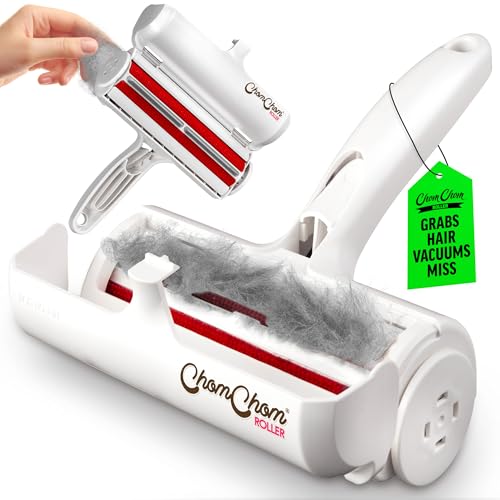
A reusable lint roller for pet hair that needs no adhesive sheets. You roll it back and forth over a car seat, couch or bedding, the fur collects in a built-in receptacle, and a release button opens it to empty. A vet's scrubs come home covered in hair from a dozen patients a day, and the hair ends up on the driver's seat and the living room couch. The ChomChom handles those surfaces, and because it has no refills, it costs nothing to keep using. Many vets also own pets, so it pulls double duty at home. The listing aims it at furniture, cars and rugs rather than clothing.
Pros
- No refills to buy
- Empties with one button
- Works on car seats and couches
Cons
- Made for furniture and cars, not for clothes being worn
- Bulky for a scrub pocket
Best for: vets who bring the clinic's fur home in the car
Five pairs of knee-high compression socks with cat designs and 15–20 mmHg graduated pressure, made from a nylon and spandex blend. The Bureau of Labor Statistics says most veterinarians work full time and often more than 40 hours a week, and much of that time happens standing at an exam table, in surgery or at a treatment table holding a patient. The listing pitches the socks for leg fatigue during long shifts, which is exactly that day. The cat prints keep them fun in a clinic where scrubs already carry paw prints. Five pairs cover a full work week. The listing sizes them for women's shoe sizes 5 to 10, so check that before you buy.
Pros
- Five pairs for a full week
- Moderate 15–20 mmHg level
- Animal theme fits the clinic
Cons
- Sized for women's shoe sizes 5–10
- Some people find knee-high compression hard to pull on
Best for: vets and techs who stand through long clinic days
A compact 300-lumen headlamp with a wide, even beam, a single button for brightness levels and a tilting plate so the light points at your hands. The Bureau of Labor Statistics says vets who treat horses or food animals travel between their offices and farms and ranches, and that some respond to emergencies outside scheduled hours. A calving or a colic at 2 a.m. happens in a barn or a field, often with a flashlight held in the farmer's teeth. A headlamp frees both of the vet's hands. It ships with three standard batteries and also accepts Petzl's CORE rechargeable battery, sold separately. The headband comes off for washing, which matters after a barn call.
Pros
- Hands-free light that tilts toward the work
- Washable headband
- Runs on AAA or an optional rechargeable pack
Cons
- Uses AAA batteries unless you add the CORE pack
- Rechargeable CORE battery costs extra
Best for: large animal and equine vets on night farm calls
A 24 oz vacuum-insulated food jar in 18/8 stainless steel with a leakproof lid that doubles as an insulated bowl. Thermos rates its jars to keep contents hot for up to 14 hours and cold for up to 24. Large animal vets spend the day driving between farms, and emergency vets eat whenever the waiting room clears, so hot food that waits in a truck or a locker is useful. Preheat it with hot water, fill it at breakfast, and lunch is still warm at the fourth farm. The jar goes in the top rack of the dishwasher. A pressure-relief stopper keeps it from spraying when opened.
Pros
- Lid works as a bowl
- Dishwasher safe on the top rack
- No outlet or microwave needed
Cons
- Needs a preheat for best results
- Heavier than a plastic container

Best for: vets on farm calls and overnight emergency shifts
A weighted sleep mask with a full-coverage light seal, deep 3D eye cups that keep fabric off the lashes and an adjustable buckle strap. Earplugs and a storage bag come in the box. Emergency and specialty hospitals run overnight, and the Bureau of Labor Statistics notes that vet techs may work evenings, weekends or holidays and that some vets work nights. After an overnight with a parvo puppy and two hit-by-car dogs, the hard part is sleeping at noon in a bright bedroom. The mask's gentle weight and blackout seal help with that, and the strap avoids pulling hair. Hand wash only.
Pros
- Blocks light fully
- Earplugs included
- Eye cups keep pressure off the eyes
Cons
- Hand wash only
- Some sleepers dislike any weight on the face
Best for: overnight ER vets and techs who sleep in daylight
Sixteen pet sympathy cards with envelopes, four each of four foil-accented designs, with short printed messages about remembering a pet. Euthanasia is part of the weekly schedule in most clinics, and a veterinarian writing in Veterinary Practice News suggests sending clients a sympathy card within three to five days, with cards pre-signed by the team so they go out on time. A box like this is a small, practical gift for the practice manager or the front desk team who keeps that drawer full. It does not ease what the vet carries from those appointments, but it takes one errand off a hard week. Pair it with a note of your own.
Pros
- Four designs for dogs, cats and other pets
- Envelopes included
- Useful the same week
Cons
- A clinic supply more than a personal treat
- Printed messages may not fit every family

Best for: the front desk or practice manager who mails sympathy cards
A 16 oz double-wall, vacuum-insulated stainless steel tumbler engraved with a scrubs design, a paw print on the pocket, and the recipient's name and title: DVM, CVT, LVT, RVT or others. It comes in 14 powder-coated colors with a choice of splash-resistant lids, and the listing says the engraving does not wear off. Vet techs work hard for their credential, and few gifts show it. Coffee in a clinic gets poured at 8 and found again at 11, so insulation matters. Order early, since personalized items take longer to ship than stock ones, and double-check the spelling of the credential before you submit.
Pros
- Name and credential engraved
- 14 colors
- Keeps coffee hot through morning appointments
Cons
- Pint-style shape will not fit every cup holder
- Personalized, so no easy return

Best for: vets and techs who earned the letters after their name
A hand-stamped aluminum ID tag that slides onto stethoscope tubing: remove the bell, slide the tag up, put the bell back. The paw print under the name is fixed, and the buyer picks the name and one of four fonts. A small business in Florida stamps each one by hand, so spacing varies a little. In a clinic, stethoscopes end up on the surgery counter, the kennel area and the lab bench, and a name tag gets them back to the right person. Aluminum resists corrosion from cleaning, and the slim profile does not get in the way of an exam. It works for any stethoscope with removable parts.
Pros
- Personalized with a paw print
- Slim, light aluminum
- Fits most stethoscopes
Cons
- Hand stamped, so small alignment variations
- Needs the bell removed to install
Best for: vets and techs whose stethoscope keeps walking off
Veterinarian Gifts Compared
The table lines up the main gifts by who they suit and what type of gift they are. Prices load live from Amazon.
Gifts by Career Stage

Gifts for vets shift with experience. A student needs study tools and sleep, a working vet wants comfort, and a retiring vet wants something to keep.
For Vet Students and New Grads
Vet school means anatomy, clinical rotations and night study. Give the basics a student will not think to buy: the veterinary anatomy coloring book, a fanny pack for rotations, a weighted sleep mask and a paw print stethoscope tag. For graduation, an engraved tumbler with the new DVM marks the day.
For Practicing Vets and Practice Owners
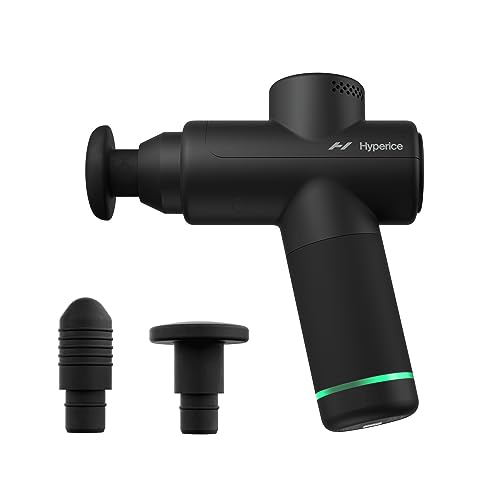
A vet ten years in owns a good stethoscope and has opinions about it. Pick comfort and food instead: hand cream, an insulated food jar, rescue coffee or a pet hair roller. Family can step up to the Hypervolt Go 2 for a back that has lifted thousands of patients onto a table.
For Vets Near Retirement
Retirement gifts honor the career and look ahead to days without appointments. The team can sign a card and add the Pop Chart breeds poster for a home office. Family might choose the RENPHO foot massager after decades on a clinic floor.
Gifts by Specialization
Each corner of veterinary medicine has its own daily grind. Pick from the main list with the specialty in mind.
Small Animal Vets
Small animal vets see dogs and cats all day in a clinic. The ChomChom roller handles the hair, the paw print scrub cap suits surgery days, and the cat compression socks help on long appointment days. The Express Yourself mug gets a laugh from anyone who has done that job.
Large Animal and Equine Vets
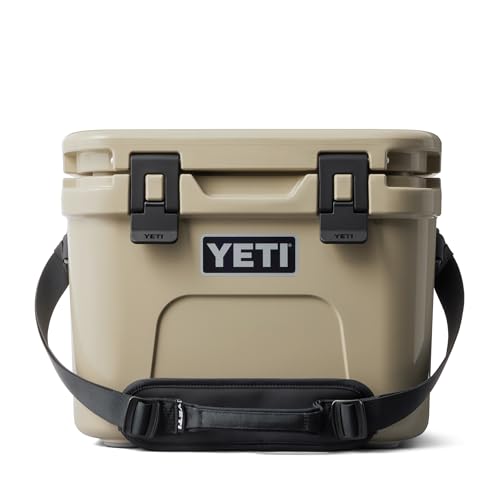
Large animal and equine vets work out of a truck and in barns, like the ranchers they treat for (see our gifts for ranchers). The Petzl headlamp keeps hands free on night calls, the hand warmers help in winter, and the Anker power bank keeps the phone alive between farms. Family can add heated insoles or the YETI Roadie for the truck bed.
Emergency Vets
Emergency and critical care vets work nights, weekends and holidays. The weighted sleep mask helps with day sleep, the Thermos food jar keeps a meal hot until the waiting room clears, and the snack box feeds the overnight crew. ER physicians keep the same hours, and our doctor gift ideas cover their call nights.
Vet Techs and Nurses
Vet techs restrain patients, draw blood, prep for surgery and clean up, often for the same patient in one hour. The Trunab fanny pack, the engraved tumbler with their CVT, LVT or RVT and the funny vet tech pens suit the job. Add the badge reel if they badge into a hospital. The job has a lot in common with hospital nursing, and our nurse gift ideas cover the human side.
Vet Students
Vet students juggle exams and clinical rotations. The anatomy coloring book helps with study, the stethoscope tag keeps a new stethoscope from walking off, and the tea sampler helps after a long exam week.
Veterinarian Gifts by Budget
A coworker usually spends $10–50 on a vet, and a clinic pooling money for a graduation or a retirement can go to $100 or more. Family gifts sit in the premium section above. Every gift on this page is grouped below by today's price.
Grouped by the live Amazon price when this page loaded. Prices change; each card shows the current one.
DIY and Non-Store Gift Ideas

The best vet gifts sometimes cost little and come from a kitchen or a pen. These ideas work for coworkers, pet owners and families.
- Breakfast for the whole clinic. Bagels, muffins or a box of good coffee left for every shift, including the front desk and the kennel staff. Store-bought and sealed is the safer choice from a pet owner.
- A meal for the overnight crew. Emergency hospitals run around the clock. Arrange a delivered dinner for the night team, and call ahead to ask about timing and head count.
- A card that names your pet. Write down what the vet or a tech did for your animal and mail it to the clinic. Make it specific enough that the whole team knows which patient you mean.
- A donation in their name. A gift to a local rescue or shelter in the clinic's name, or in memory of a pet the team cared for. The Instinct gift guide lists rescue donations among the gifts vets value.
- Covering a shift. Between colleagues, taking a weekend on call or an evening appointment block is a gift no store sells.
Group Gifts for a Clinic or Hospital Team

A group gift for a clinic team works best when it is shared, useful and reaches everyone. Plan it with the practice manager so the gift covers the techs, the assistants, the front desk and the kennel staff, not only the doctors.
For a team gift to one vet, such as a graduation, a new partner or a retirement, ask each person for $5–20. Add up what people pledge and compare the total with the live price on each card. A smaller group can look at the RENPHO foot massager with a card signed by everyone. A bigger one can look at the Hypervolt Go 2 or the YETI Roadie for a farm vet.
For a gift to the whole clinic, think about the treatment room: a snack box for each shift, rescue coffee for the break room, a pet hair roller by the back door, or a catered lunch on a slow day. Collect the money through one person and keep a list.
What to Write in a Card for a Veterinarian
The best card message for a vet or a vet tech names one specific thing they did. Pick a line below and add a sentence of your own.
From coworkers
- "Thanks for taking the 5:45 emergency so I could make my kid's game."
- "You held that terrified cat like it was nothing. I'm still learning from you."
- "Congrats on your new credential. The tumbler has the letters to prove it."
- "Thank you for covering my weekend on call. I owe you a long lunch."
From pet owners
- "Thank you for seeing Max at 6 p.m. on a Friday and for calling us the next morning."
- "You explained every step when we said goodbye to Daisy. We will not forget your kindness."
- "Our cat hates the car and loves your techs. That says a lot."
- "Thank you for working Christmas so our dog could come home."
For retirement
- "Thirty years of patients, and every one of them left with a treat. Enjoy the quiet."
- "Thank you for teaching every new tech who came through this clinic."
- "The clinic will be a lot quieter without you, and the break room coffee will be worse."
Funny
- "To the vet who can find a vein on a hamster."
- "Happy holidays from the whole team. We cleaned the fur off your chair for you."
Can You Give Gifts to Your Vet?

Yes, for most clinics, but keep it small and shared. Rules differ by practice, so the front desk is the place to ask before anything bigger than a card or food.
Food is the classic gift from pet owners, and it raises its own questions. On an episode of the Veterinary Viewfinder podcast about client holiday gifts, veterinarian Ernie Ward and registered vet tech Beckie Mossor talk about food safety worries with homemade dishes, clients who offer tips for nail trims and baths, and a box of cookies that never reached the team stuck in an emergency surgery. Their advice is for clinics to agree on how to handle gifts before the season starts and to share them fairly.
From that, a few cautious rules of thumb for pet owners. Choose sealed, store-bought food over homemade. Give to the whole team, since techs, assistants and the front desk do much of the work you see. Skip cash and tips unless the clinic says it accepts them. A card that names your pet is welcome almost everywhere.
Between coworkers, the usual workplace rules apply. Keep gifts modest, include the whole team when you can, and use a group gift for the practice owner rather than one person giving upward.
What Not to Give a Veterinarian
Some gifts cause trouble for the vet even when the thought is kind. Skip these.
- Homemade food from pet owners. Vet teams on the Veterinary Viewfinder podcast raise food safety worries about homemade dishes. Sealed, store-bought food for the team is the safer thanks.
- Jokes about drinking or about euthanasia. "Wine is my therapy" mugs and dark jokes about the end of life land badly in a profession that deals with compassion fatigue. Keep the humor about fur, fluids and anal glands.
- A live animal. Never give a vet an animal unless they asked for that specific one. A pet is a commitment of years, and vets already care for a lot of animals.
- Scrubs, shoes and clinical gear. Scrubs and clogs need exact sizes, and many clinics set the colors. Vets pick their own stethoscopes and instruments. Give a name tag or a scrub cap instead.
- Alcohol from clients. It puts the vet in an awkward spot as a thank-you for care. Coffee or snacks for the team are safer.
Gifts for Every Occasion

Vets mark the year with a few moments worth a gift. Each needs a different kind, and the moments every workplace shares are in our occasion gift guides.
Christmas
Emergency hospitals stay open over the holidays, so the best Christmas gifts make the holiday shift easier. A snack box for the overnight crew, a Thermos food jar for a hot meal and a pet portrait ornament of the vet's own dog or cat all fit. For a clinic Secret Santa, the vet socks or the Express Yourself mug get a laugh, and our Secret Santa gifts for coworkers cover the rest of the swap.
Vet School Graduation
Vet school graduation is a family moment as much as a work one. Parents and partners can give the engraved tumbler with the new DVM, plus gear for the first year in practice: a fanny pack and a paw print stethoscope tag. Classmates can trade the anatomy coloring book as a joke and a keepsake.
Retirement
Retirement gifts look back at the career and forward to life without a schedule. A clinic group gift with a card signed by every shift works best. Add something for the first year off, such as the dog breeds puzzle for slow evenings or the Chuckit! launcher for long walks with their own dog.
After a Hard Loss
If your vet helped your pet at the end of its life, a card that names the pet and what the team did is a kind thing to send. Food for the whole staff works too, if the clinic accepts it. Between coworkers, a tea sampler and a note after a week of hard cases says you noticed. Keep it that small.
Gifts from Spouses, Coworkers and Pet Owners

The right vet gift depends on who gives it. A spouse can spend more and get personal, a coworker should stay practical, and a pet owner should keep it small and shared.
From a Spouse or Partner
Budget: no upper limit. A spouse knows the on-call schedule and the sore back better than anyone. Premium gifts make sense here: the Hypervolt Go 2 after a week of lifting patients, the RENPHO foot massager after ten hours standing, or heated insoles for a farm vet's winter. Time counts too: a protected weekend with the phone off when the call schedule allows it.
From Coworkers
Budget: $10–50. Coworkers know the job, so practical beats sentimental. A pet hair roller, hand cream or a headlamp get used the same week. For a gift to the practice owner or medical director, pool money with the team instead of giving alone. Our group gifts for a boss show how to split it. For ideas that fit any job, see our main list of gifts for coworkers.
From Pet Owners
Budget: a card, or food for the whole clinic. Choose sealed, store-bought treats, include the techs and the front desk, and ask before anything bigger. Your own handwritten card, naming your pet and what the team did, is the gift that costs nothing and says the most.
FAQ About Gifts for Veterinarians
What is a good gift for a veterinarian?
A good gift for a veterinarian fixes a small problem of clinic life. A multi-pocket fanny pack for the treatment floor, unscented hand cream for hands scrubbed between patients, a pet hair roller for the car, an insulated food jar for long days or an engraved stethoscope tag all get used the same week.
What do vet techs want as a gift?
Most vet techs want practical things that make a shift easier, plus a little recognition. A fanny pack with a tape holder, compression socks, a tumbler engraved with their CVT, LVT or RVT and good snacks for the treatment room all fit. A card that names something specific they did means a lot too.
Can you give your vet a gift as a pet owner?
Yes, and a card is the gift almost every clinic welcomes. If you want to add something, choose sealed, store-bought food or coffee for the whole team rather than a gift for one person. Clinic rules on gifts vary, so ask the front desk first if you plan anything bigger.
How much should you spend on a gift for a veterinarian?
Coworkers usually spend $15–35 on a gift for a vet or a vet tech, and up to $50 for a close colleague. For a practice owner or a retiring vet, a group gift where everyone chips in $5–20 works better. Pet owners should keep it small and shareable, such as breakfast for the clinic.
What do you give a vet after they put your pet to sleep?
A handwritten card is the most fitting thanks after a euthanasia. Name your pet and one thing the team did, such as staying with you or explaining each step. If you want to add more, send store-bought food for the whole staff, or make a donation to a local rescue in your pet's name.
What is a good gift for a vet student?
A veterinary anatomy coloring book, a fanny pack for clinical rotations, a weighted sleep mask for study nights and a stethoscope name tag with a paw print all suit vet school. For graduation, family can step up to a tumbler engraved with the new DVM or a massage gun for the long clinic days ahead.
What do large animal vets need?
Large animal and equine vets need gear for the truck and the barn. A hands-free headlamp for night calls, rechargeable hand warmers, an insulated food jar for meals between farms and a portable charger for the phone all help. Family can add heated insoles or a hard cooler that ties down in a truck bed.
Is compassion fatigue common in veterinary medicine?
It is a well-known strain in the field. Writers in the Royal Canin Academy and Veterinary Practice News describe the toll of caring for suffering animals and grieving owners, including euthanasia appointments. They treat it as something to manage over time, through support and workload changes. A gift can show you noticed. It does not fix it.
What should you not give a veterinarian?
Skip homemade food from pet owners, alcohol from clients, jokes about drinking to cope, and live animals. Avoid scrubs and shoes, which need exact sizes and often follow clinic rules. Anything that makes light of euthanasia or compassion fatigue will land badly on a hard week, so keep the humor about fur and fluids.
What do you write in a thank-you card to a vet?
Name your pet and the specific thing the vet or the team did, then say thanks. For example: Thank you for seeing Max at 6 p.m. on a Friday and for calling us the next morning. A short, specific card often ends up pinned in the break room, where the whole team sees it.