Top 10 Therapist Gifts, Reviewed
These reviews cover the ten gifts that solve the biggest problems of therapy work, across counseling, PT, OT and speech. They rest on the Amazon listings and the sources above. We did not test the products ourselves; our selection method explains how each gift made the list.
A plug-in white noise machine with a real fan inside, one speed and a tone you can adjust. Therapy offices use sound machines in hallways and waiting rooms so voices do not travel. A Palo Alto University CONCEPT article on gifts for therapists says many therapists get one from work for exactly that reason, and that the same machine doubles as a sleep aid at home. The fan gives an even, non-looping sound, which matters in a room where a loop would become noticeable by the third session of the day. The listing says it is assembled by hand in the USA and comes with a 6-foot cord. It is a gift a new private practice will use from day one.
Pros
- Fan-based sound with no audible loop
- Simple switch, no app or settings
- Moves from the office to the bedroom
Cons
- Needs an outlet; no battery
- One speed, so volume control is limited to the tone collar
Best for: counselors whose office shares a wall with the waiting room
A small analog clock that runs on one AA battery, with a silent sweep second hand, a night light button and an alarm you can switch off. In a counseling office the clock does a quiet job: the therapist needs to see the time without checking a phone or turning toward a wall clock, and a ticking clock gets loud in a silent pause. This one is 4 inches across, so it fits on a bookshelf or side table angled toward the therapist's chair. The alarm stays off for sessions, and the night light helps at home if it ends up on a nightstand. It is a modest gift that a counselor will check between every client.
Pros
- Silent second hand
- Small enough to place out of the client's view
- Battery powered, so it sits anywhere
Cons
- Alarm is loud, so it must stay off during sessions
- Basic look, not a decor piece

Best for: therapists who see clients back to back
A cube cover in beige linen over an MDF frame, with a magnetic bottom plate. It fits a regular cube tissue box, so nobody has to unpack tissues to refill it. Tissues sit within reach of the client's chair in nearly every counseling office, and the box tends to be the least calm object in a room otherwise set up to feel calm. A covered box blends in with the rest of the furniture. The magnet means the box does not drop out when someone lifts the cover, and the linen keeps it neutral enough for any decor. Coworkers in a group practice can give one to each office.
Pros
- Magnetic base makes refills fast
- Neutral linen suits most offices
- Fits standard cube boxes
Cons
- Does not fit flat rectangular boxes
- Linen shows marks and needs spot cleaning
Best for: any counselor's office side table
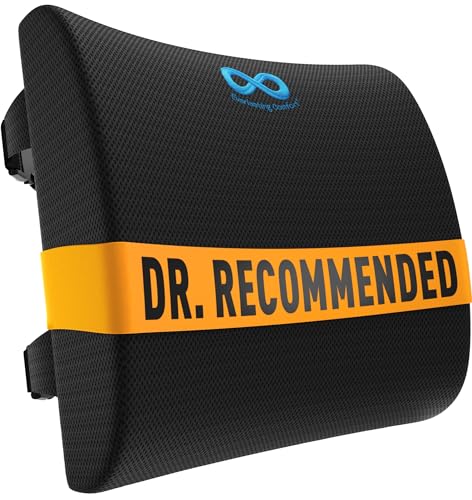
A contoured memory foam pillow with two adjustable straps and extension pieces, sized to fit office chairs up to 32 inches wide. The mesh cover zips off and goes in the washing machine. A Palo Alto University CONCEPT article points out that therapists spend a lot of their time listening in a chair and recommends supportive seating. Most counselors do not get to pick that chair, especially in an agency or a shared office. A lumbar pillow fixes the chair they have. It also moves to the car or the couch where notes get finished at night. It is firm enough to hold posture through a long afternoon of sessions.
Pros
- Straps keep it in place
- Washable cover
- Works in any chair, the car included
Cons
- Some people prefer a softer cushion
- Plain mesh look
Best for: therapists who sit through six or more sessions a day
A reversible 10-inch door sign that reads in session on one side, plus a separate welcome sign and a please knock sign. Many therapists rent an office in a building with other tenants, or share a suite with colleagues who do not know their schedule. A sign on the door is the simplest way to stop the knock that lands at the hardest moment of a session. Flipping it between clients also gives the therapist a small ritual for the ten minutes in between. The listing aims it at therapists, counselors and massage therapists. It is an inexpensive gift that gets used every working day.
Pros
- Reversible, so one sign covers both states
- Extra welcome and please knock signs included
- Easy to hang on any door
Cons
- Wording is fixed, no custom text
- Listing also targets massage rooms, so check the photos for the exact wording
Best for: therapists in shared buildings and group practices
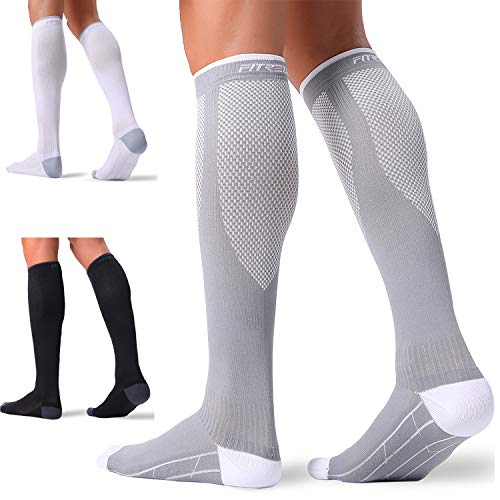
Three pairs of knee-high compression socks rated 20 to 30 mmHg, with a cushioned sole, a seamless toe and mesh panels at the calf. The Bureau of Labor Statistics says physical therapists spend much of their time on their feet working with patients, and that occupational therapists may too. Compression socks suit anyone who stands and walks through a clinic day. Pick the size by calf measurement: the listing gives S/M for calves of 9 to 15 inches and L/XL for 14 to 16 inches. Black, white and grey cover any scrub or polo color.
Pros
- Three pairs for the work week
- Cushioned sole for long hours standing
- Neutral colors
Cons
- You need to guess the size
- Firm compression is hard to pull on at first
Best for: PTs and OTs on their feet all day in a clinic or hospital
Two 3.4-ounce jars of a concentrated, unscented hand cream that the listing calls non-greasy and hypoallergenic. It recommends using it after hand washing and at bedtime. Physical and occupational therapists work with their hands all day: guiding a patient through a transfer, stretching a shoulder, giving hands-on treatment. A 2015 survey of 395 South African physiotherapists found that 65.3 percent had work-related thumb problems at some point in their careers, and the authors tied that to manual therapy. A hand cream will not fix a sore thumb, but it does fix the cracked skin that comes from washing between every patient. Unscented is the right choice near patients with allergies.
Pros
- Unscented, so it suits patient care
- Two jars split between clinic and home
- Small jar fits a work bag
Cons
- Jar means fingers in the cream; some prefer a tube
- Concentrated cream, so a little goes a long way and too much feels heavy
Best for: PTs and OTs who wash their hands between every patient
A small rechargeable amplifier with a wired headset microphone, a waistband and a belt clip. It weighs about a third of a pound, runs up to 12 hours on a charge and charges over USB. The Bureau of Labor Statistics says 39 percent of speech-language pathologists work in educational services, the largest share, and some travel between schools. A school SLP may run a small group in a speech room, then push into a noisy classroom an hour later. The amplifier lets them speak at a normal level and still be heard at the back. It also plays audio from a micro SD card or USB drive, handy for listening activities.
Pros
- Light enough to wear all day
- Long battery life
- Doubles as a small speaker
Cons
- Wired headset, so the cord needs managing
- More than one-on-one sessions need
Best for: school-based SLPs who run group sessions in classrooms
A 9-inch thermal laminator with an anti-jam design, a three-minute warm-up and 50 laminating pouches in the box. It takes 3 to 5 mil pouches and fits letter-size paper, photos and ID cards. Speech-language pathologists who work with children go through a lot of paper: picture cards, articulation decks, visual schedules, token boards. Laminated, those materials survive sticky hands and a wipe-down between kids. Schools often have one shared laminator in the office, with a queue. A personal one on the SLP's own desk means a new set of cards is ready for the next session instead of next week. OTs and special education teachers use them the same way.
Pros
- Fast warm-up
- Includes 50 pouches to start
- Small enough for a desk
Cons
- 9-inch width limits poster-size projects
- Faint smell on first use, per the listing
Best for: pediatric SLPs and OTs who make their own therapy materials
Over-ear wireless headphones with active noise cancelling, a Quiet mode and an Aware mode, adjustable EQ and up to 24 hours of playtime. The National Child Traumatic Stress Network names therapists among the helping professionals affected by secondary traumatic stress, the strain of hearing about other people's trauma, and the ACA Code of Ethics asks counselors to engage in self-care. Headphones do not treat any of that. They do give a therapist an hour of quiet on the commute or at home, with music or with nothing at all. Aware mode lets them hear a train announcement without taking the headphones off. This is a gift for a spouse or for a whole practice to chip in on.
Pros
- Strong noise cancelling for a commute
- Long battery life
- Comfortable for long wear
Cons
- Too expensive for a single coworker
- Over-ear design is bulky in a work bag
Best for: a partner who listens for a living
Therapist Gifts Compared
The table lines up the main gifts by who they suit and what type of gift they are. Prices load live from Amazon.
Gifts by Career Stage

Gifts for counselors and rehab therapists shift with experience. A grad student needs study tools and a first-office setup, a seasoned therapist wants comfort, and a retiring one wants rest.
For Grad Students and New Clinicians
New therapists spend years on supervised hours and licensure exams. A counseling grad will read The Gift of Therapy, written as a letter to new therapists. A DPT or OT student will use Netter's Anatomy Coloring Book. Once the license arrives, a name and title plate with LPC, LMFT, DPT or CCC-SLP marks the day.
For Experienced Therapists
A therapist ten years in has a routine and an office that works. Pick comfort for the parts that wear down: a lumbar pillow for the counselor's chair, hand cream for the PT, a voice amplifier for the SLP who has covered the same three schools for years.
For Therapists Near Retirement
Retirement gifts honor a career of listening or hands-on care. A practice can pool money for Bose headphones or the Hatch Restore, so mornings without a 9 a.m. client start with a sunrise light instead of an alarm.
Gifts by Specialization

Each kind of therapist has a different daily grind. Pick from the main list with the specialty in mind.
Mental Health Therapists and Counselors
Licensed professional counselors, clinical social workers and psychologists share the same room setup. The Dohm Uno, the silent clock, the tissue box cover and the feelings wheel all go straight into the office. Our guide to gifts for social workers covers the agency and home-visit side of the field.
Marriage and Family Therapists
MFTs see couples and whole families in one room, so the hallway hears more voices. The in-session door sign keeps the waiting room from knocking, the YETI mug keeps tea warm through a double session, and the Freud finger puppet gets a laugh from the clinical team.
Physical Therapists
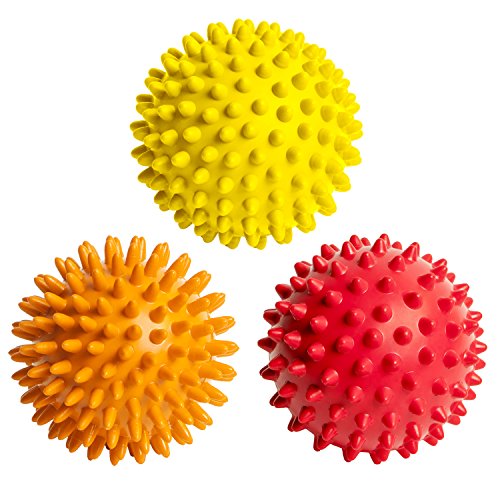
PTs stand, demonstrate and lift all day. Compression socks, spiky massage balls for the feet after clinic, the Keep Moving badge reel and the I Have an Exercise for That mug suit any outpatient or hospital PT.
Occupational Therapists
OTs work in hospitals, schools and clients' homes, often with kids. The Time Timer helps pediatric sessions, hand cream helps the hands, and the Oh Tea mug earns a groan in the break room.
Speech-Language Pathologists
SLPs talk for a living and make stacks of materials. The voice amplifier, the laminator, honey sticks for tea and the tiny humans tumbler cover a school SLP's week.
Therapy Grad Students
Grad students in counseling, PT, OT or speech live on small budgets and long reading lists. Netter's coloring book, The Gift of Therapy, a tea sampler for study nights and a snack box for the clinic rotation all fit.
Therapist Gifts by Budget
A coworker usually spends $10–35 on a therapist, and a team pooling money for a new license or a retirement can go to $100 or more. Family gifts sit in the premium section above. Every gift on this page is grouped below by today's price.
Grouped by the live Amazon price when this page loaded. Prices change; each card shows the current one.
DIY and Non-Store Gift Ideas

The best therapist gifts sometimes cost little and come from home. These ideas work for coworkers and for the clinic team.
- Cover a lunch hour. In a group practice, take a colleague's intake call or paperwork task for one afternoon so they get a real lunch.
- Stock the break room. Good tea, a jar of honey and real mugs instead of paper cups for the minutes between sessions.
- Make the materials. For a school SLP or OT, cut and laminate a set of picture cards they asked for. It saves them an evening.
- A note from a supervisor. A specific written thank-you from a clinical director, copied to their file, outlasts most mugs.
- Plants for the office. A small pothos or snake plant in a plain pot makes a counseling room feel lived in. Check that the office has a window first.
Group Gifts for a Therapy Practice or Rehab Team
A group gift for a practice works best when it is shared and fits the clinic's rules. Plan it with the office manager so it reaches every clinician, including the part-timers and the evening staff.
For a team gift to one therapist, such as a new license, a promotion or a retirement, ask each person for $5–20. Add up what people pledge and compare the total with the live price on each card. A smaller group can look at the weighted blanket with a card signed by everyone. A bigger one can look at Bose headphones or a Theragun Mini for a PT.
For a gift from leadership to the whole team, think about the staff room: a snack box for each office, a white noise machine for every hallway door, a stack of Tea Forte samplers or a catered lunch on a day with a lighter schedule. Collect the money through one person and keep a list.
What to Write in a Card for a Therapist

The best card message for a therapist names one specific thing they did. Pick a line below and add a sentence of your own.
From coworkers
- "Thanks for taking my 4 o'clock when my kid got sick. The tea is on me next week."
- "You make case consults feel like a team sport. Thank you."
- "Congrats on the license. The name plate matches the work now."
- "Thanks for every time you reorganized the gym so the rest of us had room."
From clients and families
- "Thank you for helping me find words for things I had carried for years."
- "Six months ago I could not climb our stairs. Last week I carried the groceries up. Thank you."
- "Our son said his first full sentence at dinner on Tuesday. We cried. Thank you."
- "Thank you for being patient on the weeks I had nothing to say."
For retirement
- "Thousands of sessions, and you still listened like each one was the first. Enjoy the quiet."
- "Thank you for teaching half of this clinic how to treat a shoulder."
Funny
- "Happy holidays from the coworker who never once asked how that made you feel."
- "To the PT with an exercise for everything. Here is one for your feet: rest."
Can You Give Gifts to Therapists?

Yes, within limits, and gifts from clients are the hardest case. Coworkers can give each other small gifts as in any office. Clients should keep thanks to a card or a small treat, and expect the therapist may say no.
The ACA Code of Ethics, standard A.10.f, says counselors understand the challenges of accepting gifts from clients and recognize that in some cultures small gifts are a token of respect and gratitude. Before accepting, counselors weigh the therapeutic relationship, the gift's monetary value, the client's motivation for giving it and their own motivation for accepting or declining.
Psychologists have no specific rule. In an APA Monitor article on ethical dilemmas, an APA Ethics Committee member said no specific ethical standard addresses client gifts, and pointed to the code's general principles and its standards on exploitative relationships. He suggested weighing whether a gift is personal, a one-time event or a pattern, and expensive or reasonable, and noted that many psychologists adopt a strict no-gifts policy.
Physical, occupational and speech therapists follow the rules of the hospital, clinic or school district that employs them, and those rules differ. Ask the front desk before giving anything more than a card or a treat for the whole office. Physicians in the same hospital face stricter rules on gifts from drug companies, covered in our gifts for physicians.
What Not to Give a Therapist
Some gifts put a therapist in an awkward spot even when the thought is kind. Skip these.
- Cash or gift cards from a client. They add a money question to a professional relationship, and many therapists will have to turn them down. A card says more.
- Expensive gifts from clients. Both the ACA code and the APA guidance name the value of a gift as something to weigh. Keep it small and shareable.
- Self-help books about burnout or stress. They can read as a comment on how the therapist is coping. Let them pick their own reading.
- Scented candles and diffusers for the office. Clients may have allergies or scent sensitivities, and the therapist may not want to find out mid-session. Keep scents for home.
- Anything with a client's private details. A photo or an inside joke from therapy can expose a client if the gift sits on a desk. Keep cards general.
Gifts for Every Occasion
Therapists mark a few dates each year with their practice or clinic. Each one calls for a different kind of gift, and the moments every workplace shares are in our work gift occasions.
Christmas
For the office Secret Santa, our Secret Santa gifts for coworkers set the rules, and the Freud finger puppet, the Keep Talking mug or the hot chocolate set fit a coworker budget. The Best Therapist Ever ornament goes on the tree with the name and year on it. Clients who want to mark the season can send a card in early December. The dates of the professional appreciation days are on our appreciation days calendar.
Graduation and Licensure
A graduation from a counseling, DPT, OT or SLP program starts years of supervised practice and exams. Family can give the name and title plate once the license comes through, plus a Dohm Uno for the first office. Classmates can trade copies of The Gift of Therapy or Netter's coloring book.
Retirement
Retirement gifts look back on a career of other people's hardest weeks and forward to easier ones. A team gift with a card signed by the practice works best. Add something for the first year off, like the weighted blanket or a sunset cruise from the experience section.
Gifts from Spouses, Coworkers and Clients
The right therapist gift depends on who gives it. A spouse can spend more and get personal, a coworker should stay practical, and clients need to respect the ethics rules above.
From a Spouse or Partner
Budget: no upper limit. A spouse sees the late notes and the evenings when the day takes a while to fade. Premium gifts make sense here: Bose QuietComfort headphones for a quiet commute, the Theragun Mini for a PT's forearms, or the Hatch Restore 3. Some Hatch features need a paid subscription after the trial. Time counts most: an evening with the phone off and no notes left.
From Coworkers
Budget: $10–35. Coworkers know the job, so practical beats sentimental. A silent clock, hand cream or a laminator gets used the next week. For a clinical director, pool money with the team instead of giving alone; our gifts for a manager cover group gifts. Nurses on the same rehab floor have their own guide in our gifts for nurses, and ideas for any job are in our main list of gifts for coworkers.
From Clients and Families
Budget: a card or a small treat for the office. Ethics rules and clinic policies apply most here, so a card is the safest choice. Families of kids in speech or OT can send a drawing or a note about a milestone at home. Avoid cash, gift cards and anything with a client's private details.
FAQ About Gifts for Therapists
What is a good gift for a therapist?
A good gift for a therapist fits the kind of therapy they practice. Counselors use a white noise machine, a silent desk clock or a tissue box cover every day. Physical and occupational therapists use hand cream and compression socks. School speech-language pathologists use a voice amplifier or a laminator. Shared treats suit any practice.
Can you give your therapist a gift?
Usually a small one, and a card is safest. The ACA Code of Ethics asks counselors to weigh the relationship, the gift's value and the motives on both sides before accepting. The APA Ethics Code has no specific gift standard, and many therapists keep a no-gifts policy. Clinics and agencies may also set their own rules.
What is an appropriate gift for a therapist from a client?
A handwritten card is the most appropriate gift from a client. If you want to give something more, keep it small and shareable, like a box of tea or chocolates for the office. Skip cash, gift cards and anything expensive or personal, and do not take it badly if the therapist declines.
How much should you spend on a gift for a therapist?
Coworkers usually spend $10–35 on a gift for a fellow therapist, and up to $50 for a close colleague. For a clinical director or a retiring therapist, pool money as a team. Clients should stay far below that: a card or a small treat for the office is plenty, since many therapists cannot accept more.
What do you get a physical therapist as a thank-you?
Coworkers can give a physical therapist unscented hand cream, compression socks or a funny PT mug. PTs spend much of the day on their feet and wash their hands between patients. A patient's best thank-you is a card naming a goal they reached, or a treat for the whole clinic, since many clinics limit gifts.
What is a good gift for a speech therapist?
A good gift for a speech therapist helps the voice or the materials. A portable voice amplifier, a desk laminator for picture cards, a visual timer for sessions with kids or honey sticks for tea all get used. Many speech-language pathologists work in schools, so check the district's gift policy for family gifts.
What is a good gift for an occupational therapist?
An occupational therapist uses hand cream, compression socks and a visual timer for pediatric sessions. The OT pun mug that reads Oh Tea suits the break room. OTs lift and move clients, and BLS lists the job among those with the highest injury rates, so family can add a mini massage gun.
What do therapists want for Christmas?
Most therapists want small comforts and some quiet. A tea sampler, a desk zen garden, a hot chocolate set or a silent clock for the office all fit a coworker swap. Family can go bigger with noise-cancelling headphones or a sunrise alarm, and an evening with no notes left to write.
What should I give a new therapist or grad student?
Give a new therapist something for the first office or the first license. A personalized name and title plate, The Gift of Therapy for a counseling grad, Netter's Anatomy Coloring Book for a PT or OT student, or a white noise machine for a first private office all fit.
What is a good retirement gift for a therapist?
A retirement gift for a therapist should honor years of listening or hands-on care and point toward rest. A team gift such as noise-cancelling headphones or a sunset cruise works well, paired with a card signed by the whole practice. Coworkers can add notes about cases they shared, without client details.
What do you write in a thank-you card to a therapist?
Name one change the work made, then say thanks. For example: Thank you for helping me find words for things I had carried for years. Keep private details out if the card might sit on an office desk. A short, specific note means more to a therapist than a long one.