A 30-ounce Stanley tumbler with a flip-up straw, a carry handle and a base that fits a car cupholder. The listing says it keeps drinks cold for 20 hours and iced for up to three days, and the straw lid snaps shut to resist leaks. On the bench, that last part matters most. A judge reaches for water between witnesses without looking, and a closed straw keeps a knocked cup from soaking a stack of exhibits or the court reporter's notes. The handle makes the walk from chambers easy too. It is a big cup for a crowded bench, so ask whether there is room, and it will not keep coffee hot the way a mug with a lid does. As a coworker gift it is safe, useful and easy to find in a neutral color.
Pros
- Flip straw closes against spills
- Keeps water cold through a full trial day
- Handle for the walk from chambers
Cons
- Tall for a crowded bench
- Built for cold drinks more than coffee
Best for: long hearings and trial days
A memory foam seat cushion with a U-shaped cutout at the back, a non-slip rubber bottom and a zippered cover that goes in the washing machine. A built-in handle makes it easy to carry from chambers to the courtroom and back. The Bureau of Labor Statistics lists long stretches in the same position among the conditions of the job, and a jury trial can keep a judge seated for most of a day. Courtroom chairs vary, so the cushion's grip on the seat helps. It is a plain black pad and will not draw attention on the bench. Some people find memory foam warm after a few hours, and it adds a little height, which can change how a judge sits at the bench.
Pros
- Tailbone cutout for long sessions
- Non-slip base stays put
- Washable cover
Cons
- Adds some height to the chair
- Memory foam can feel warm
Best for: judges who preside over long trials
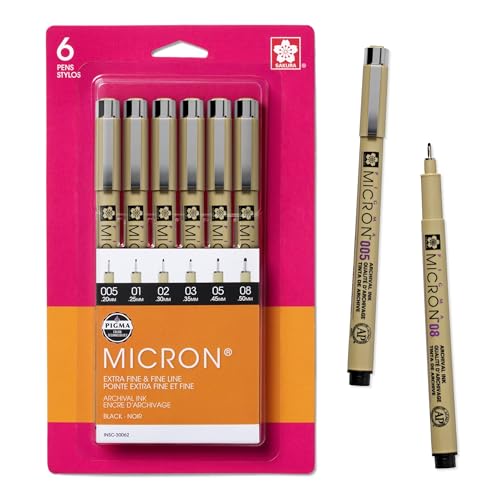
Six black Pigma Micron pens from Sakura in point sizes from 005 (0.20 mm) to 08 (0.50 mm). The listing describes the ink as archival, waterproof, quick drying and free of bleed. Many judges still read briefs on paper and write in the margins, then hand a page of notes to a law clerk who drafts the order. A fine tip fits between printed lines, and ink that does not bleed through thin paper keeps the back of the page readable. Micron pens are a staple in art supply stores, so a judge who likes them can find refills anywhere. They are plain to unwrap. Pair them with the sticky tabs or a pocket Constitution for a small chambers kit.
Pros
- Fine tips fit narrow margins
- Ink resists bleed and fading
- Easy to restock
Cons
- Plain gift on its own
- Felt tips wear down with heavy pressure
Best for: margin notes on briefs
A three-piece Parker Jotter set: a blue ballpoint, a black gel pen and a stainless steel mechanical pencil loaded with 0.7 mm lead, all with the click mechanism Parker has sold under the Jotter name for more than 60 years. A judge signs orders, warrants and judgments from the bench and in chambers, often in front of a full courtroom, and a pen that clicks open and writes on the first stroke is a small daily help. The gel pen suits signatures, and the pencil works for margin notes that may change. Parker refills are sold almost everywhere. The set is plain by design, so it does not compete with a judge's good fountain pen, and it will not wow anyone who collects pens.
Pros
- Three tools for signing and notes
- Refills are easy to find
- Gift-ready Parker packaging
Cons
- Plain next to a collector's pen
- Blue ballpoint ink may not suit every court's forms
Best for: signing orders and warrants
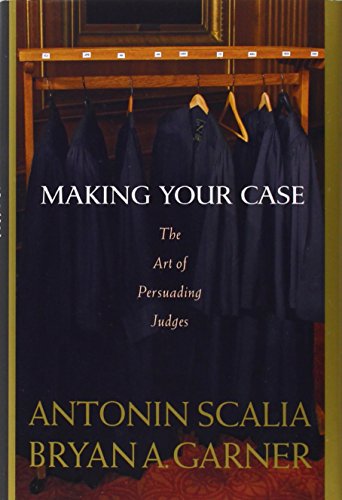
This short book on legal argument, written by the late Justice Antonin Scalia and legal writing scholar Bryan Garner, is a fixture in law firm libraries. Its title tells the joke: a book written for lawyers about how to persuade judges, given to the judge. A judge who reads briefs all day will recognize the advice and the habits it warns against, and may find it fun to see the playbook from the other side. It works as a gift from a law clerk heading off to practice, since the clerk has watched what persuades this judge. Our listing data shows only the title and publisher, so check the edition and format on the page before buying. A judge who already owns it may have it on the shelf in chambers.
Pros
- Insider joke a judge will get
- Short enough to read on a weekend
- Good gift from a departing clerk
Cons
- Many judges already own it
- Edition details not on our data
Best for: a judge who likes legal writing
A desk nameplate made for judges and court officials, with the personalization printed into real stone on a hardwood base. The listing says buyers can add a name, a court title, the word Honorable, a judicial district or the name of the chambers, and that artisans in Virginia make each one. A newly appointed or elected judge moves into chambers with bare shelves, and this is one of the first things a visitor sees on the desk. It suits a gift from family at an investiture or from the clerk's office at a first anniversary on the bench. Stone is heavy and the plate is formal, so it fits a traditional office better than a casual one. Allow time for the custom work before a ceremony date.
Pros
- Made for judicial titles
- Stone and hardwood, not acrylic
- Made in the USA
Cons
- Needs lead time before an investiture
- Formal look may not suit every office
Best for: a new judge or a judicial appointment
A genuine walnut gavel, 10.5 inches long, with a 4-inch square sound block. The band takes custom text of up to 35 characters per line, engraved in the USA, so it can carry a name, a court and a date. Many judges rarely use a gavel on the bench, which is part of the point: this one goes on the shelf in chambers as a record of the day they took the oath or left the court. The listing asks buyers to check spelling, since the engraver copies the text exactly. Order early for an investiture. Walnut costs more than the beech gavels sold as party props, and it shows. It is not a working tool for a busy courtroom, and a judge who already received one at swearing-in may not need a second.
Pros
- Real walnut with a square block
- Room for a name, court and date
- Engraved in the USA
Cons
- Needs lead time for engraving
- A judge may already own one
Best for: investiture, a new court or retirement
An 11-ounce white porcelain mug printed with Don't Make Me Use My Courtroom Voice and a gavel. The listing calls it dishwasher and microwave safe, and the thick body holds heat a little longer than a thin office cup. The joke works for a judge because it is gentle: everyone who works in a courtroom has heard the voice, and the judge knows it. It suits a law clerk, a courtroom deputy or a fellow judge at the chambers holiday party. As a gift it costs little and sits well inside any staff gift limit. It is still a mug, and many judges have a shelf of them, so pair it with good coffee or tea if you want it to stand out.
Pros
- Gentle joke the whole courtroom gets
- Dishwasher and microwave safe
- Fits small staff gift budgets
Cons
- Judges may own many mugs
- Plain white design
Best for: a chambers Secret Santa
A mouth-blown glass ornament shaped like a gavel, hand-painted with a walnut-look head, a gold band and a glitter finish. Old World Christmas says it uses glassmaking and painting methods that date to the 1800s. For a judge, it is a Christmas gift that fits on the tree at home rather than the desk in chambers, which keeps the courthouse office free of clutter. It works for chambers staff, a fellow judge or family, and it costs about what a nice card and coffee would. Glass breaks, so wrap it with care, and a judge who does not put up a tree may hang it elsewhere or pass it on. As a yearly tradition, it pairs with a personalized ornament with the judge's name.
Pros
- Handmade glass with a clear legal theme
- Small and festive
- Fits staff gift budgets
Cons
- Fragile in transit
- Only useful at Christmas
Best for: a Christmas gift from the court
Amazon's 11-inch Kindle Scribe pairs an e-paper screen with a pen that never needs charging. The listing says it imports files from Google Drive or Microsoft OneDrive, takes handwritten notes and markups on them and exports the result as a PDF. For a judge who carries home a bag of briefs each weekend, that means reading and annotating on a light, glare-free screen with weeks of battery. It also reads books, which suits the long flight to a judicial conference. Before you buy, know that many courts set rules on where case documents can be stored, so the judge may use it for public filings and reading only. That is a question for the judge, which makes this a gift for family rather than staff.
Pros
- Large paper-like screen for long documents
- Pen included for margin notes
- Weeks of battery
Cons
- Court IT rules may limit what goes on it
- Expensive for anyone but family
Best for: a judge who reads briefs at home