A 22-ounce rock pick forged from one piece of steel, with a square face for driving chisels and a pointed tip for splitting rock and digging out fossils. The listing says the molded shock reduction grip cuts impact vibration by 70% and that Estwing has made its tools in Rockford, Illinois, since 1923. Field geologists lose picks: a reader comment on the Georneys geology blog says they go missing with distressing frequency, and a Scientific American gift guide calls Estwing one of the most trusted brands in the business. A spare pick from coworkers gets used the next field season. A geologist with a favorite older pick may still prefer it, and the 22-ounce head is heavier than the 13-ounce models some students like.
Pros
- One-piece forged steel
- Shock reduction grip
- The brand geology writers name first
Cons
- Heavier than the 13-ounce models
- Many geologists already own one
Best for: replacing the pick left at the last outcrop
A 10x Hastings triplet loupe with a 16 mm lens that folds into a stainless-steel cover. The listing adds an eyelet for a chain or string and a cloth pouch for storage. A Scientific American geology gift guide calls a triplet hand lens essential for identifying the minerals in rocks in the field, and a reader comment on the Georneys blog lists one in the minimum field kit next to the pick, the compass and the notebook. Lenses get dropped in creeks and left in other jackets, so a spare on a lanyard is a gift a field geologist uses right away. It costs little, which suits a Secret Santa. Geologists who already own a premium lens may keep this one as a backup.
Pros
- The 10x power geologists use
- Folding steel cover protects the lens
- Eyelet for a lanyard
Cons
- Smaller 16 mm lens
- A seasoned geologist may own a pricier lens
Best for: identifying minerals at the outcrop
A 4.75 by 7.5 inch hardcover field book with a yellow cover and pages printed in a geological pattern. The listing gives 160 numbered weatherproof pages, 20 pages of reference material, and standard and metric rulers. The paper repels water, sweat and mud, and takes a pencil or an all-weather pen when it is wet. A reader comment on the Georneys geology blog says the notebook is the piece of field kit most likely to need replacing, which makes this the safest gift on the page for a working field geologist. Coworkers who share fieldwork can give it without guessing. Ballpoint and water-based pens do not work on wet pages, so a pencil should come with it.
Pros
- Pages laid out for geology
- Weatherproof paper
- Reference pages and rulers built in
Cons
- Needs a pencil or all-weather pen in the rain
- Some geologists prefer a different layout
Best for: field notes in any weather
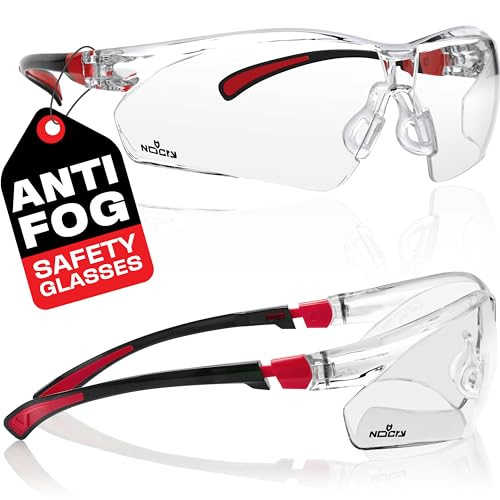
A bag of 25 Moroccan geodes, each 1.75 to 2.5 inches across, with an information and instruction sheet. The listing says 90% of them are hollow, so most will open on a crystal lining. Geologists break rocks for a living, and they still like cracking a geode on a slow Friday. Twenty-five is enough for a whole lab group, a field crew or a geology club to take turns, which makes it a good group treat rather than a gift for one desk. Bring safety glasses and a hammer, or the rock pick from this page. It is a fun gift more than a scientific one, and a mineralogist may already have a shelf of better geodes.
Pros
- Enough geodes for a whole crew
- Most of them hollow
- Fun for a lab or club break
Cons
- Small geodes
- More fun than science
Best for: an office break or a field crew
A USB digital microscope with a 2-megapixel camera, 60x to 250x magnification and an LED halo light with brightness control. The listing includes a flexible arm stand with an observation pad and connectors for both USB and USB-C, and says it works with standard webcam software on most operating systems. A Scientific American geology gift guide suggests a USB microscope for studying and photographing specimens, and the BLS lists lab tests on field samples among a geologist's duties. This one puts sand grains and crystal faces on a laptop screen and saves the image for a report. It will not replace a petrographic microscope for thin sections, so it suits field geologists, students and collectors more than a lab specialist.
Pros
- Saves images for reports
- Works on USB and USB-C
- Adjustable LED light
Cons
- Not a petrographic microscope
- Image quality is modest at full zoom
Best for: photographing samples at the desk
A 15-ounce ceramic mug that reads I'm a Geologist, I Play With Rocks. The listing says it is microwave and dishwasher safe and aims it at geologists, geochemists, surveyors and earth science students. Geologists split their weeks between field, lab and office, and the office weeks bring long report-writing sessions where a large mug of coffee earns its place. The joke is gentle enough for any workplace and plain enough that even non-geologists in the office get it. It suits a Secret Santa, a geology student's first job or a thank-you from a field crew. It is a mug, so it will not surprise anyone, and a geologist with a cupboard full of rock puns may smile and put it on the shelf.
Pros
- Clear joke anyone gets
- Large 15-ounce size
- Microwave and dishwasher safe
Cons
- Many geologists already own a pun mug
- A simple print design
Best for: a geologist's office coffee
John McPhee's Annals of the Former World in one volume from Farrar, Straus and Giroux. The same search lists four books with the series number in the title, Basin and Range, In Suspect Terrain, Rising from the Plains and Assembling California, and this volume gathers the series. McPhee traveled with geologists across North America and wrote about the rocks and the people who read them, which is why geology readers recommend his books as gifts. A geologist will enjoy seeing their work described by a non-geologist with care. It is a long book, so it suits a field season with evenings in a motel or a winter of office weeks. A geologist who already owns the separate volumes will not need it.
Pros
- Geology written for any reader
- Whole series in one volume
- Fits long field-season evenings
Cons
- Long
- Some geologists own the separate volumes
Best for: a geologist who reads in the field
A personalized cover in full-grain cowhide for a 3.5 by 5.5 inch pocket notebook. The listing gives three card slots, a hidden pocket and a notebook compartment, and a standard Field Notes notebook comes inside. Leather like this darkens with use, which suits a cover that rides in a field vest for years. Field geologists go through notebooks fast, and a cover that takes a fresh refill keeps the habit going. Pair it with the waterproof Expedition notebooks above for wet days. It is the most personal item in the main list, so it fits a team that wants to mark a new job, a graduation or a first field season. Check the spelling of the initials before ordering.
Pros
- Full-grain leather ages well
- Notebook included
- Takes standard pocket notebook refills
Cons
- The included notebook is not waterproof
- Personalization takes extra days
Best for: a geologist's pocket notebook
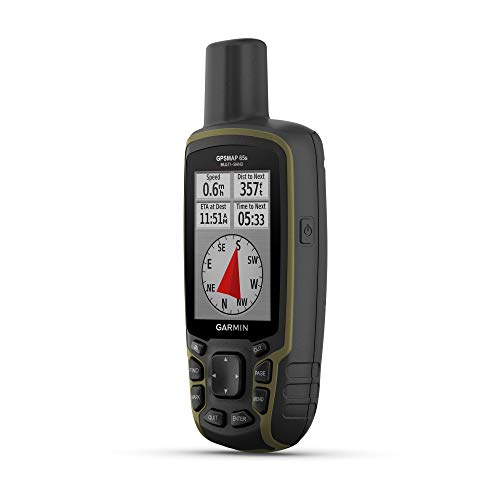
A button-operated handheld GPS with a 2.6-inch color screen that stays readable in sunlight. The listing highlights expanded satellite support and multi-band technology for accuracy in steep country, canyons and dense forest, routable TopoActive maps, a US federal public land map, a 3-axis compass and a barometric altimeter. The BLS notes that geologists' fieldwork can take them to remote places, where phone coverage drops and batteries run low. A dedicated GPS marks sample sites and outcrops and keeps working with gloves on. It costs far more than a coworker should spend, so it suits family or a field crew pooling money. Many employers issue GPS units, so ask what the geologist uses before buying.
Pros
- Accurate in canyons and forests
- Buttons work with gloves
- Public land map included
Cons
- Expensive
- Employer may already issue one
Best for: a field geologist mapping sites
A professional pocket transit from Brunton, the compass maker a Scientific American geology gift guide calls the Ferrari of geologic compasses. The listing describes a CNC-milled aluminum body with a hard-anodized finish, an NdFeB magnet with induction damping, a sapphire bearing, a clinometer and a mirror sighting system, all in a Gfeller leather case. It mounts on a Jacob's staff or a non-magnetic tripod. Geologists use a transit to measure strike and dip at every outcrop, and a reader comment on the Georneys blog lists a compass in the minimum field kit. The price puts it in family territory, and seasoned geologists have a favorite model, so buy it only for a graduate or a new field geologist who has named it.
Pros
- The classic geology field compass
- Clinometer and mirror sight built in
- Leather case included
Cons
- Very expensive
- Experienced geologists already own one
Best for: a geology graduate or new field geologist