A pocket laser measure from MiLESEEY that reaches 229 feet with plus or minus 2 mm accuracy, according to the listing. It calculates area, volume and Pythagorean measurements, shows angles from a built-in electronic level and has a 2-inch backlit screen. Interior designers measure rooms on the first visit, then again before ordering drapery, rugs or built-ins, and a laser is faster than a tape on long walls and high ceilings. One person can measure a room without someone holding the other end. It does not replace a tape for small pieces of furniture, so pair it with the tape measure below. Check whether they already own a laser before you buy.
Pros
- One-person room measuring
- Area and volume math built in
- Backlit screen for dim rooms
Cons
- Still need a tape for furniture
- They may already own one
Best for: first site visits and as-built measurements
A compact 25-foot Klein Tools tape with a double hook, a nylon-coated steel blade and up to 13 feet of reach. The blade prints both imperial and architectural scales, which helps when a measurement goes straight onto a plan. Interior designers measure windows for treatments, wall runs for furniture and openings for delivery, and a compact tape fits a handbag better than a contractor's heavy one. The double hook grabs the edge of a window frame or a cabinet from either side. It is an inexpensive gift, so pair it with a notebook or the template set if you want more to unwrap.
Pros
- Compact enough for a handbag
- Architectural scale on the blade
- Double hook
Cons
- Plain on its own as a gift
Best for: measuring windows and furniture
A set of three clear, flexible plastic drafting templates from Mr. Pen at a scale of 1/4 inch to 1 foot. One holds house plan symbols such as doors, appliances and plumbing fixtures, one holds furniture for living, dining, bedroom and office layouts, and one covers kitchen, bed and bath. The Bureau of Labor Statistics lists sketching preliminary plans as part of an interior designer's job, and plenty of designers still sketch a first layout by hand with the client at the table. Templates keep that sketch to scale. The plastic is thin, so it will not last like a heavy drafting template, but the price makes it an easy add-on.
Pros
- Keeps hand sketches to scale
- Three templates in one set
- Very low cost
Best for: space planning sketches with clients
The Go Hang It! Pro kit includes a positioning tool, a level and an 85-piece hardware set. The listing says the tool marks nail holes accurately on the first try with no measuring, and it works with sawtooth, wire and D-ring hangers. Interior designers often finish an install by hanging art and mirrors, and a crooked gallery wall is the first thing a client sees. The Bureau of Labor Statistics notes that designers oversee installation, and a kit like this speeds up the last hour of a long install day. It is a practical gift rather than a pretty one. Designers who leave art hanging to an installer will use it less.
Pros
- Fast, level art hanging
- Hardware included
- Saves patching extra holes
Cons
- Less use if an installer hangs the art
Best for: install day and art hanging
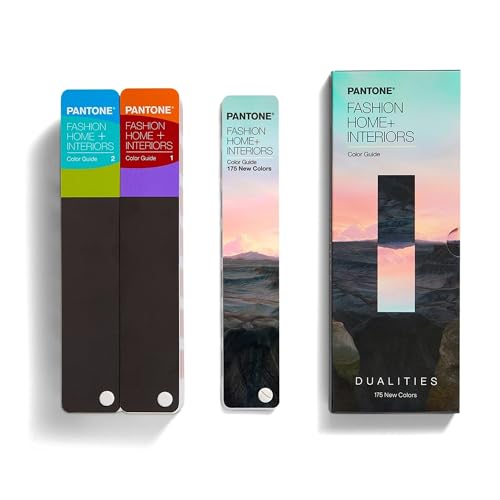
A fan deck of Benjamin Moore's Color Preview collection, the paint brand many designers specify. Designers choose paint in the room where it will go, holding chips against the floor, the trim and the client's fabrics in daylight and lamplight. A personal fan deck saves a trip to the paint store and means the designer does not have to borrow the client's. Paint lines change over time, so a fresh deck also catches new colors. The listing gives few details, so confirm which collection the designer uses most before buying, since Benjamin Moore sells several decks and designers often prefer one.
Pros
- Used in nearly every paint consult
- Saves a trip to the paint store
- Major paint brand
Cons
- Few details in the listing
- Designer may prefer another collection
Best for: paint consultations in the client's home
A compact, chunky Taschen book from the Bibliotheca Universalis series, revised and updated, that catalogs a thousand chairs. Interior designers specify seating on nearly every project, from dining chairs to lounge pieces, and clients often show up with a photo of a chair they cannot name. This book helps with both. It also sits well on a studio shelf or a client-facing coffee table. The small format keeps the price low, so the photos are small too; a designer who wants big plates should look at the premium section instead. Pair it with 1000 Lights for a matching set.
Pros
- Names the classic chair shapes
- Low price for a design book
- Looks good on a shelf
Cons
- Small format, small photos
Best for: furniture lovers who spec seating
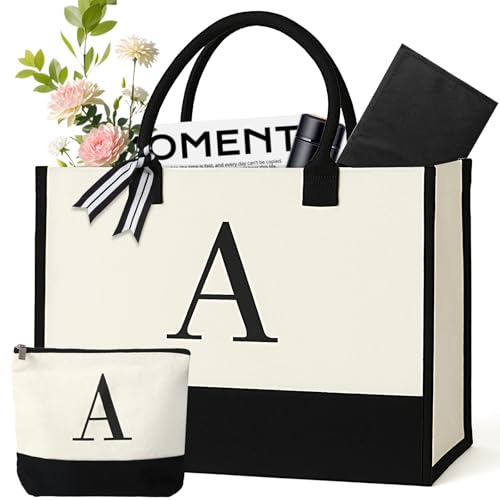
A 16-by-16-inch tote in a spun polyester canvas-like fabric with long cotton handles, double-stitched seams and a reinforced bottom. The print reads Designer Not Decorator, a line interior designers will understand at once, since the difference between design work and decorating comes up at almost every dinner party. The bag is useful too: fabric books, tile samples, a tape measure and a laptop all fit. It is a cheap, safe pick for a design firm Secret Santa or an end-of-project thank-you from a coworker. It is not a structured leather bag, so it will not replace a client-meeting tote for a designer who likes a polished look.
Pros
- Joke every interior designer gets
- Holds samples and a laptop
- Low cost
Cons
- Casual look for client meetings
Best for: carrying samples to client meetings
A Christmas ornament shaped like a sofa, personalized with a name, a year or a short message. Interior designers spend months helping clients choose sofas: the depth, the arm, the fabric, the delivery date. A small sofa for their own tree turns that into a joke and a keepsake. It suits a gift from the design team, from a client after a finished project, or from a supplier. The seller makes it to order, so plan for extra days in December and check the spelling of the name. It is a small ornament, so add a card or a treat if you want more weight to the gift.
Pros
- Fits the job with a smile
- Personal and cheap
- Good client thank-you
Cons
- Made to order, plan ahead
- Small on its own
Best for: a Christmas gift from the design team
A small color sensor that pairs with a phone app. Hold it against a surface and it returns the closest match from more than 300,000 brand-name paints, with a 95 percent or better hit rate on top brands such as Benjamin Moore and Sherwin-Williams, according to the listing. It also gives RGB, HEX and CMYK values and matches to Pantone, RAL and NCS databases. Interior designers use one to match a wall to a client's favorite pillow, an existing trim color or a tile. It does not replace a fan deck in daylight, and the listing notes that the Pantone, RAL and NCS libraries are premium databases. As a group gift, it gets used on the next job.
Pros
- Matches fabric or tile to real paint
- Gives digital values too
- Pocket size
Cons
- Some color libraries cost extra
- Still check chips in daylight
Best for: matching a client's fabric or wall to paint
A large Abrams book that marks a century of Architectural Digest with homes, designers and changing American taste from the magazine's archives. Many interior designers grew up reading AD and still check every issue, so a book that pulls the best of the archive together fits the coffee table in a studio or at home. It is a family gift or a team gift for a milestone such as a promotion, a new firm or a retirement. A designer who already owns it will say so quickly, since it is a popular gift in the field. Big coffee-table books are heavy to ship and hard to wrap, so plan ahead.
Pros
- A century of design in one book
- Beautiful on a studio coffee table
- Strong milestone gift
Cons
- Popular gift, they may own it
- Heavy and bulky
Best for: the coffee table of a designer who loves AD