A ratcheting refrigeration wrench with four square openings, 3/16, 1/4, 5/16 and 3/8 inch, for the packing gland nuts and valve stem sockets on refrigeration and AC equipment. A tech opens and closes service valves on most charging and recovery jobs, and this is the tool for it. The reversing lever flips with a thumb, so the tech does not have to pull the wrench off the stem each turn. The sockets are clearly marked, and Klein makes it in the USA. Many techs own one already, but they get dropped into condensers and left on rooftops, so a second one goes in the van. It is a plain tool with no surprise, which suits a coworker gift that gets used on the next call.
Pros
- Four sizes in one wrench
- Quick-flip ratchet reversal
- Made in USA by a known brand
Cons
- Many techs already own one
- Plain, practical look
Best for: residential service techs
A compact tubing cutter for 1/8 to 5/8 inch copper, aluminum, brass and plastic tubing, built for small lines in restricted spaces. The Bureau of Labor Statistics lists cutting and soldering pipes among an HVAC technician's core tasks, and a lot of that cutting happens behind an air handler or inside a cabinet with two inches of room. The knurled feed knob gives control over pressure, and a spare cutter wheel hides inside it. It will not cut the larger suction lines on bigger systems, so a tech still needs a full-size cutter for those. As a second cutter for the pocket or the van, it gets used on the first install.
Pros
- Fits where a full-size cutter will not turn
- Spare wheel stored in the knob
- Known plumbing and HVAC brand
Cons
- Tops out at 5/8 inch tubing
Best for: installers running line sets
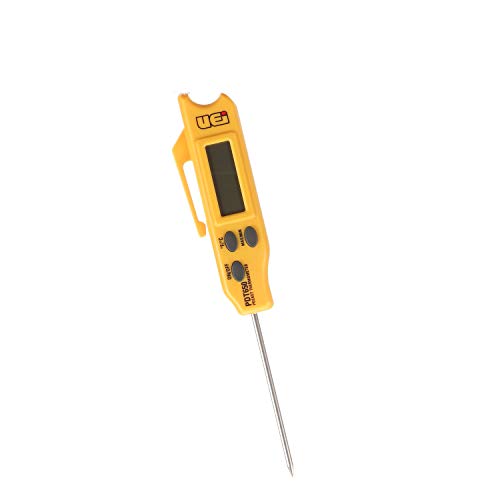
A folding digital pocket thermometer with a 3.5-inch probe that reads from minus 58 to 572 degrees Fahrenheit. A built-in magnet holds it on a duct or a cabinet, so the tech can read the supply air with both hands free, and min/max memory catches the high and low. The listing gives accuracy of plus or minus 1.8 degrees across the range a tech uses most, with an auto-off after about an hour and a 3-year warranty. Split temperatures between return and supply are one of the first checks on a no-cool call, so this gets used daily. A tech with a full wireless probe kit may not need it, but a pocket thermometer that never needs an app still earns a spot in the shirt pocket.
Pros
- Magnet mount for hands-free readings
- Folds to pocket size
- Min/max memory
Cons
- Button-cell battery, not rechargeable
- Overlaps with wireless probe kits
Best for: techs checking split temperatures
Long knee pads that run from the knee down to the toe, with thick high-density foam and a wear-resistant shell. A tech who crawls across attic joists to reach an air handler puts weight on knees and shins at the same time, and regular knee pads leave the shins bare on every joist. These buckle on with two adjustable straps and fit most legs, according to the listing, which names attics and HVAC work directly. The fabric breathes, which matters in a summer attic. They are bulkier than standard pads, so a tech will not wear them all day, only for the attic and crawl space part of a call.
Pros
- Protects shins on joists, not only knees
- Adjustable straps, one size
- Made for attic crawling
Cons
- Bulky for walking
- A newer brand without a long track record
Best for: techs who crawl attics and crawl spaces
A bladeless neck fan that sits like a headset and blows air from vents around the neck. The 5200 mAh battery runs 4 to 20 hours across four speeds and recharges in about three and a half hours, so it lasts a full summer day of calls. HVAC techs spend the hottest weeks of the year in the hottest parts of a house: attics, rooftops and mechanical rooms. A neck fan will not cool an attic, but it moves air across a sweaty neck while both hands work on a coil. Bladeless means no hair or beard gets caught. In a 140-degree attic it blows warm air, so pair it with water and breaks.
Pros
- Hands-free airflow
- All-day battery
- No blades to catch hair
Cons
- Moves hot air in the worst attics
- Can catch on insulation in a crawl
Best for: summer attic and rooftop work
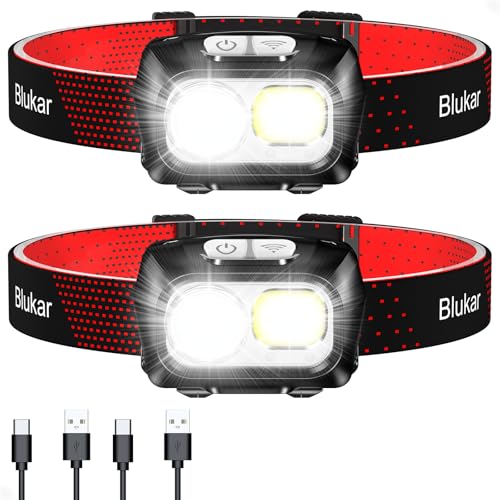
A two-pack of rechargeable headlamps with a white spot LED, a wide COB flood strip and a red light mode, plus a motion sensor that switches the light with a wave of the hand. Each one charges by USB-C and tilts 45 degrees, and the listing rates them IPX5 against rain. An HVAC tech works in dark places most of the day: attics, crawl spaces, closets with a furnace and no light. A headlamp keeps both hands free for a flare nut or a capacitor. Two in a pack means one lives in the van while the other charges. The motion sensor can trip by accident, and a tech may turn it off.
Pros
- Two lamps, so one is always charged
- Flood and spot beams
- USB-C charging
Cons
- Motion sensor can trip by accident
- Strap gets sweaty in summer
Best for: attic and crawl space calls
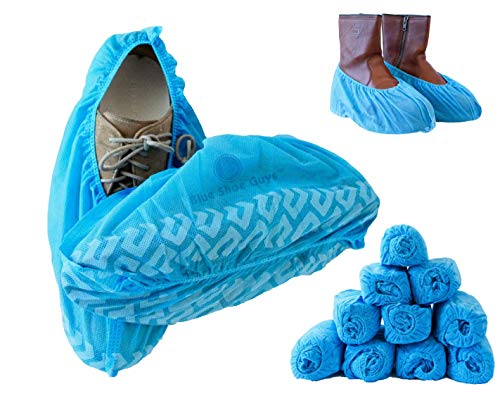
A box of 100 disposable boot covers that stretch to fit most shoes and work boots, sizes 6 to 14 by the listing. They have non-slip soles and resist water, and the seller says they are recyclable and free of latex. Residential HVAC work happens inside people's homes, and a tech who tracks attic insulation or mud across a carpet hears about it in the review. Covers in the van make a good impression at the door. As a gift it looks dull, so pair it with a joke card or a treat. A tech whose company already supplies covers may have plenty.
Pros
- Fits most boots, no size to pick
- Non-slip soles
- 100 covers lasts months
Cons
- Plain gift on its own
- Some companies already supply them
Best for: residential service techs
Fluke's 902 FC is a true-RMS clamp meter made for HVAC work. Beyond voltage and current, it reads DC microamps for flame rod checks on a furnace, resistance up to 60 kilohms for thermistors, and flue gas temperature. Fluke Connect sends readings to a phone over Bluetooth, which helps when the meter is inside a cabinet and the tech is outside it. The Bureau of Labor Statistics lists checking electrical circuits as a core part of the job, and a no-heat call often comes down to a flame sensor. Many techs already own a meter they like, so this suits a family member who knows the tech wants an upgrade, or a crew gift for a new lead tech.
Pros
- Flame rod microamp readings
- Bluetooth to a phone
- Fluke reputation
Cons
- Techs often have a favorite meter already
- Costs more than one coworker should spend
Best for: service techs who diagnose furnaces and heat pumps
A rechargeable handheld thermal imaging camera with a 19,200-pixel sensor that reads from minus 4 to 752 degrees Fahrenheit. A tech points it at a duct, a coil, a breaker panel or a wall and sees the temperature as color, so leaks, blocked coils, loose connections and missing insulation show up fast. High and low alarms flag readings outside a set range, emissivity adjusts for different surfaces, and images save over USB-C for the customer report. Klein makes it, which most techs know from their hand tools. A tech who wants higher resolution might pick a pricier model, but this is a big step up from a spot thermometer and a good family or crew gift.
Pros
- Shows problems as images, not single readings
- Rechargeable with USB-C export
- Alarms for out-of-range temps
Cons
- Resolution below top-end imagers
- Costs more than one coworker should spend
Best for: techs who diagnose ducts and electrical
A hybrid tool and meter bag with an open-top section for hand tools and a closed section for meters and testers. It has 27 pockets, a stainless tape clip, a waterproof polypropylene base and a hang-up hook. The listing gives a 12 by 12 by 9.5 inch size and a 22.5 pound max payload. A service tech carries one bag from the van into each house, so the bag sets the pace of the call. Veto has a strong name in the trades, and many techs would like one but keep using a worn-out bag. It is heavy empty, at 4.2 pounds, and a tech who prefers a backpack may not switch.
Pros
- Separate sections for tools and meters
- Waterproof base
- Hang-up hook
Cons
- Heavy empty
- Backpack fans may not switch
Best for: service techs carrying meters and hand tools