A hardcover sketchbook with 136 pages of heavyweight paper and 400 croquis, the faint figure outlines designers draw clothes over, in 14 poses. Twenty-four pages carry a single figure for a full illustration. O*NET lists sketching rough and detailed drawings as the most important task in the job, and most designers burn through paper while a collection takes shape. A pre-printed figure saves the minutes spent drawing the same body again and again, so the designer can test ten necklines in one sitting. The listing says the paper is made to take markers without bleeding through. A senior designer who works mostly in CAD may still like it for quick ideas on the go. It suits a design student just as well as a working designer.
Pros
- Gets used the same week
- Figures in 14 poses
- Heavyweight paper for markers
Cons
- Figure proportions may not match the designer's own house style
Best for: designers who sketch on the train or between fittings
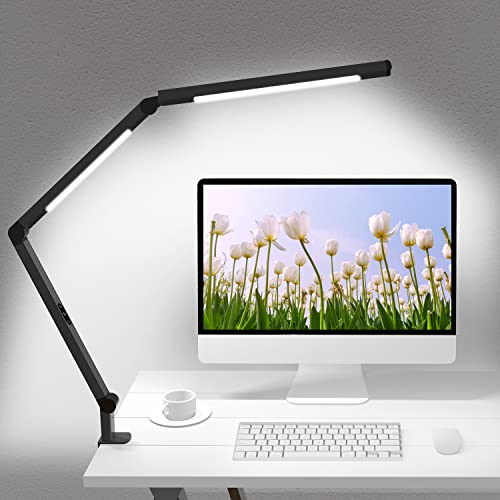
A clamp-on LED desk lamp with two light heads on a swing arm. The listing gives a color rendering index of 95, four color temperatures from warm white to daylight, five brightness levels and a timer that shuts it off after 30 minutes. For a fashion designer, the CRI number is the point: under the flat fluorescent light of many offices and sample rooms, navy and black blur and a coral swatch reads orange. O*NET reports that most fashion designers spend more than half the day sitting, and much of it at a desk with sketches and swatches. The clamp fits a desk edge up to 2.5 inches thick, so it frees up the surface. It takes some fiddling to aim the two heads, and a designer with a north-facing window may not need it.
Pros
- High CRI helps with fabric color
- Clamp saves desk space
- Four color temperatures
Cons
- Needs a desk edge for the clamp
- Two heads take time to aim
Best for: a design desk where color matching matters
Gingher's 4.5-inch thread snips have a spring that opens the blades after each cut and a knife-edge blade the listing says handles thick layers, heavier yarn and multiple layers of fabric. O*NET ranks examining sample garments on and off models as one of the top tasks for fashion designers, and every fitting involves trimming stray threads before anyone looks closely. A pair of snips that lives on a wristband or a neck cord saves walking back to the cutting table. Gingher is a name sewists know, so even a designer who owns good shears will likely be glad to have a spare pair for the fitting room. The one catch: the blades are sharp, and a designer who flies a lot will need to keep them in checked luggage.
Pros
- Opens on its own after each cut
- Handles thick layers
- Familiar sewing brand
Cons
- Sharp blades belong in checked bags for travel
Best for: the sample room and final fittings
Eight-inch fabric shears with stainless steel blades the listing says are honed to cut cleanly to the tip, ergonomic loops with soft grip touchpoints and a protective sheath. Every design studio has the same running joke about fabric scissors: someone grabs them to open a box, and the edge is gone. A second pair with a sheath and a label that says fabric only solves that. Fashion designers make prototypes from cheaper fabric before samples in the real material, as the BLS describes the process, so there is plenty of cutting before a garment ever reaches production. A designer with a favorite heirloom pair will still use those for silk. These are the everyday shears for muslin, toiles and quick tests.
Pros
- Sheath keeps the edge safe
- Cuts cleanly to the tip
- Easy to mark as fabric only
Cons
- Not a replacement for a designer's favorite heavy shears
Best for: a spare pair kept just for fabric
A stainless steel pin bowl, 5 7/8 inches across, with a magnet in the top and the base. The listing says it is safe to set on a sewing machine bed, holds pins firmly but lets them go easily, and sweeps up dropped pins, needles and safety pins from the table or floor. Any studio that fits samples on models or forms loses pins all day, and the bowl turns cleanup into a ten-second job. It is one of those gifts a designer would not buy for themselves because a tin box works fine, until they use the magnet once. Dritz is a long-standing sewing notions brand, so it is easy to find and replace. It looks plain on its own, so add a card or a pack of good pins if the gift needs more fun.
Pros
- Sweeps up dropped pins fast
- Safe on a machine bed
- Under most Secret Santa limits
Cons
- Plain to unwrap on its own
Best for: the cutting table or the sewing machine bed
Fashionpedia is a visual dictionary of fashion design from Fashionary, the Hong Kong publisher known for its sketchbooks and reference books. It shows garment types, parts and details with drawings and names, so a designer can find the right term for a sleeve, a pocket or a neckline. The BLS describes fashion designers working with team members on prototypes and visiting manufacturers, and much of that work is explaining a detail to someone who builds it. A shared reference cuts down on the back and forth. It suits a new assistant designer as much as a senior one, and it stays on the desk rather than the coffee table. A designer who already owns it may want Textilepedia, the fabric companion below, instead.
Pros
- Used at the desk every week
- Helps brief factories and assistants
- Works for any specialty
Cons
- Some designers already own it, so ask first
Best for: designers who brief factories and assistants
Textilepedia is Fashionary's guide to fabrics, the companion to Fashionpedia. The BLS lists selecting fabrics and visiting manufacturers or trade shows for fabric samples among the main duties of a fashion designer, and a designer who comes home from a show with a bag of swatches needs a quick way to check a weave or a fiber. A desk reference also helps when an assistant asks why one jersey drapes and another does not. Fashionary books are compact and well illustrated, so this one tends to stay within reach. It is a better gift for a designer who works hands-on with fabric than for one who designs footwear or hard accessories. Pair it with the swatch book in the premium section for a fabric lover.
Pros
- Desk reference for fabric decisions
- Compact and visual
- Pairs with Fashionpedia
Cons
- Less useful for footwear and hard accessory designers
Best for: fabric sourcing and trade show visits
A compact 1100-watt handheld steamer from Conair. The listing gives a 30-second heat-up, up to 10 minutes of steam per fill, an 8-foot swivel cord and a body small enough for a carry-on. The BLS notes that most fashion designers travel several times a year to trade and fashion shows, and that they present ideas to creative directors or at shows. Samples pulled out of a suitcase or a garment bag never look the way they did in the studio. A small steamer in the hotel room fixes that before the appointment. Ten minutes of steam covers a few pieces, not a whole rack, so a showroom will still need a full-size unit. For a designer who travels light, it is the right size.
Pros
- Small enough for a carry-on
- Fast heat-up
- Long swivel cord
Cons
- One fill covers only a few garments
Best for: market week, showroom appointments and trade shows
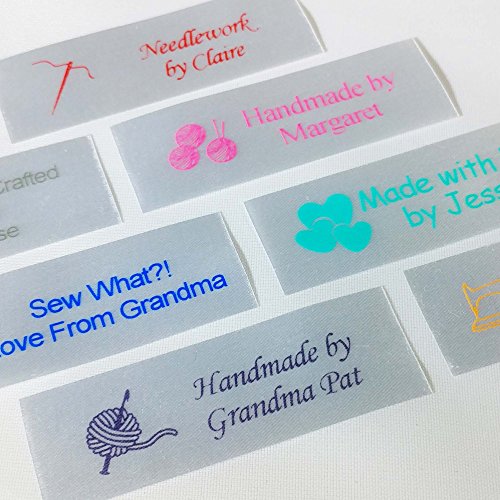
Satin sewing labels, 3/4 by 2 1/2 inches, printed in the USA with the name or text the buyer chooses, in a choice of lettering colors, fonts and small icons. The BLS reports that about 36% of fashion designers are self-employed, and many of them make custom apparel. Even designers on staff at a big brand often sew their own clothes or keep a small line on the side. A label with their own name turns a sample into a finished piece. It needs a few days for printing, so order early for Christmas, and check the spelling before you submit. A designer who already has woven brand labels may prefer one of the other personalized gifts.
Pros
- Uses their name or brand
- Fits a side line or custom work
- Printed in the USA
Cons
- Needs time for printing
- Less useful for designers who never sew
Best for: designers with a side line or custom clients
An adjustable dress form from Dritz in the small to medium range, covering US women's sizes 4 to 12. The listing describes 12 adjustment points with nine dials on the sides and back, a height-adjustable pole up to 62.5 inches, a 360-degree hem marker and a foam-backed cover that takes pins at an angle. O*NET lists examining sample garments on and off models and modifying designs as one of the top tasks in the job. A studio has forms, but many designers also sketch, drape and sew at home, especially freelancers, who the BLS says often work long days on client schedules. It is a family gift, and the size range matters: check whether they work in another size before you buy.
Pros
- Adjusts to real measurements
- Takes pins for draping
- Hem marker included
Cons
- Covers sizes 4 to 12 only
- Takes floor space at home
Best for: a designer who drapes and fits at home