Top 10 Artist Gifts, Reviewed
These reviews cover the ten gifts that fit the work most closely. They draw on the Amazon listings and the public sources above. We did not test the products ourselves; our selection method explains how each gift made the list.
Six 22 ml tubes of Golden Heavy Body acrylic: a yellow, a red, ultramarine blue, a green, carbon black and titanium white. Golden is an employee-owned American paint maker, and Heavy Body is its thick, artist-grade line, made to keep the shape of a brushstroke or a palette knife mark. A painter who mostly uses student-grade tubes will notice the difference in pigment and texture the first time they mix a color. Six colors are enough for a full painting, since the set covers the primaries plus black and white. The tubes are small, so think of it as a taste of a better paint rather than a studio supply. It also suits an art teacher or a weekend painter who would never buy artist-grade tubes for themselves.
Pros
- Artist-grade paint in a gift-sized box
- Primaries plus black and white mix a full palette
- Thick texture holds brush and knife marks
Cons
- 22 ml tubes run out fast on large canvases
- No use to someone who paints only in oils or watercolor

Best for: acrylic painters ready to try artist-grade paint
A one-ounce tub of brush soap from General Pencil, made in the USA. You wet the brush, swirl it in the cake until it lathers, and rinse. The listing says it removes oil, acrylic, watercolor, gouache and tempera, plus ink, dye and varnish, and that it will not harm synthetic or natural hair, including Kolinsky sable. The useful part for a working painter is the rescue job: leave it on a brush with dried paint for a few hours and it can soften the paint enough to save the brush. One ounce is small, and a painter who cleans brushes daily will finish it in a few months, so the larger tub suits a full-time studio. As a coworker gift it costs little and gets used the same evening.
Pros
- Works on oils, acrylics and watercolor
- Safe for synthetic and sable brushes
- Can save brushes with dried paint
Cons
- One-ounce size goes fast in a busy studio
- Plain gift on its own; pair it with brushes or a card
Best for: every painter with a jar of crusty brushes
An 8.5 by 7 inch plastic palette with an airtight lid, a sponge and palette paper. You soak the sponge, lay the paper on top and squeeze out acrylic or other water-based paint. With the lid closed, the listing says paint stays workable for days or even weeks. That solves one of the most common acrylic complaints: the paint skins over on the palette while you are still working, and mixed colors get thrown away at the end of every session. For an artist who paints after work in short sessions, a stay-wet palette means mixed colors from Tuesday are still there on Thursday. The handy size fits a desk or a small table. It does nothing for oil painters, and the sponge needs rinsing now and then so it does not get smelly.
Pros
- Keeps acrylic paint wet for days
- Saves mixed colors between sessions
- Small enough for a desk
Cons
- For water-based paint only
- Sponge needs regular rinsing
Best for: acrylic painters who work in short sessions
A box of 24 Gansai Tambi pans from Kuretake, a Japanese maker. Gansai is traditional Japanese watercolor, and the listing describes the colors as vivid, opaque and smooth rather than granulating, drying with a slight sheen. The pans are much larger than standard half pans, so a watercolor artist can load a big wash brush without scrubbing. A protective sheet doubles as a mixing palette, and a color chart lets the artist swatch every color. The box, with a green washi overlay, looks like a gift without wrapping. Painters who want transparent, granulating effects for landscapes may still prefer Western tube paints, and the opaque colors behave a little like gouache. For illustrators, card makers and sketchbook painters, it is one of the most loved sets at a coworker price.
Pros
- Large pans fit big brushes
- Gift-ready box with a color chart
- Bright colors suit illustration and lettering
Cons
- Opaque colors may not suit painters who want transparent glazes
- Pans are not refillable like tubes
Best for: watercolor artists and illustrators
A 7 by 10 inch block of 20 sheets of Arches cold press watercolor paper at 140 lb, or 300 gsm. Arches makes its paper on a cylinder mould and sizes it in natural gelatin, and the cold press surface has a light texture that keeps washes transparent. A block is glued on the edges, so the sheet stays flat while it is wet and you peel it off once the painting dries. That saves stretching paper with tape. Most watercolor artists know the difference between student paper and cotton paper, and many keep the good sheets for paintings that matter. A block gives them 20 paintings without guilt. At 7 by 10 inches it suits studies and small finished pieces, not large landscapes.
Pros
- Cotton paper that handles heavy washes
- Glued block stays flat while wet
- Standard surface most watercolorists know
Cons
- Small sheets for large work
- Costs more per sheet than a pad

Best for: watercolor artists who ration good paper
A 5.5 by 8.5 inch softcover sketchbook with extra heavyweight 270 gsm paper and a smooth surface. Stillman & Birn says the Zeta series stands up to wet media and suits detailed pen and ink combined with watercolor, and lists it as a favorite of botanical artists and illustrators. The paper accepts erasing and lifting, and the binding is sewn in the U.S. For an artist who draws every day, a good sketchbook is the gift they finish and then buy again. The smooth surface favors fine liners and markers over charcoal, which grips better on a toothier page. Artists who mostly use graphite might prefer a lighter book with more pages, since heavy paper means fewer sheets per volume.
Pros
- Heavy paper takes ink and watercolor
- Sewn binding lies open for drawing
- Fits a bag for daily sketching
Cons
- Smooth surface is less suited to charcoal
- Fewer pages than lighter sketchbooks
Best for: illustrators who ink and paint in the same book
Twenty-four Prismacolor Premier colored pencils in a tin. The cores are thick and soft, which is what artists who draw in colored pencil want for shading, blending and layering. The listing calls the pigments lightfast and richly saturated, and says the cores resist cracking. The 24 colors cover the basics, from Tuscan red and indigo to peach and goldenrod, plus black and white. For many artists who draw, Premier pencils are the step up from school-grade sets, and a 24-count tin is a coworker-sized way to try them. Soft cores wear down fast and need a sharp blade, and they can break if dropped. Serious colored pencil artists may already own the larger sets, so ask what they use first.
Pros
- Soft cores blend and layer well
- Lightfast pigments
- Tin case for travel
Cons
- Soft cores break if dropped
- Wears down quickly
Best for: artists who draw in colored pencil
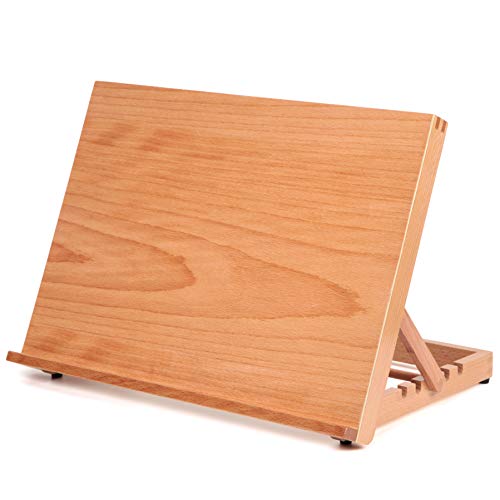
A 16.5 by 12 inch beechwood drawing board with a stand that sets it at five angles, from flat up to 68 degrees. It weighs under two pounds and has rubber feet. The point of the gift is posture. Research on visual artists and tattoo artists keeps finding neck, shoulder and back discomfort from static, bent-over work, and a tilted surface lets an artist sit straighter while drawing or painting small pieces. It also works as a tabletop easel for a small canvas. The board is not large enough for big drawings, and the angle steps are fixed rather than continuous. For a coworker who draws or paints at the kitchen table after work, it changes how the session feels on the neck.
Pros
- Five angles from flat to steep
- Light and easy to move
- Works for drawing and small canvases
Cons
- Board size limits large work
- Fixed angle steps

Best for: artists who draw for hours at a desk
A 10 by 6.25 inch pen tablet with eight shortcut keys and a battery-free stylus that reads 16,384 pressure levels and up to 60 degrees of tilt. It connects by USB-C to Windows, Mac, ChromeOS, Linux and Android devices, and the box includes a glove, ten nibs and a pen stand. The BLS describes illustrators and graphic designers working more and more on computers, and many still draw with a mouse or trackpad, which is slow and hard on the wrist. A pen tablet lets them draw with a pen grip instead. The catch is that you draw on a pad while looking at the monitor, which takes a few days to get used to. Professionals with a screen tablet already will not need it; students and hobby artists moving to digital will.
Pros
- Pen grip instead of a mouse
- Battery-free stylus with pressure and tilt
- Works with major drawing software
Cons
- Drawing off-screen takes practice
- Pros with a pen display will not need it
Best for: graphic artists and beginners in digital art
A clamp-on magnifying lamp with a 4.3-inch real glass lens at 10X, a ring of LEDs with five color modes and stepless dimming, and a spring-loaded swing arm. The clamp fits surfaces up to 2.1 inches thick. An Ohio State study of tattoo artists, reported by Safety+Health magazine, found discomfort in the neck, shoulders, hands and back, and one of the researchers' suggestions was a mounted magnifying glass instead of leaning in to see the work. The same logic applies to miniature painters, illustrators doing fine detail and anyone drawing flash at a desk. A shop will have its own rules about what goes on a station, so this fits best at the drawing desk. The 10X lens has a small sweet spot, so it is for close work, not a whole sheet.
Pros
- Mounted magnifier means less leaning in
- Dimmable light with color modes
- Clamp keeps the desk clear
Cons
- Small field of view at 10X
- Needs a desk edge to clamp to
Best for: tattoo artists drawing flash and miniature painters
Artist Gifts Compared
The table lines up the main gifts for artists by who they suit and what type of gift they are. Prices load live from Amazon.
Gifts by Career Stage

Gifts for an artist change with the career. A student needs supplies, an emerging artist needs help selling, an established artist wants a step up in quality, and a retiring art teacher wants something to enjoy.
For Art Students
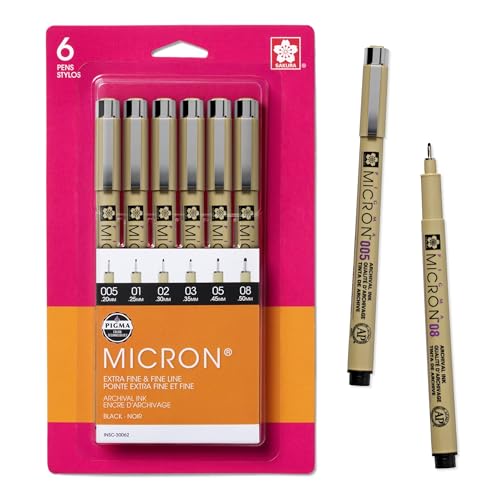
Art students go through supplies faster than they can buy them. A Stillman & Birn sketchbook, a set of Micron pens and the posable wooden hands all help in figure drawing and illustration classes. Parents can add the XPPen tablet for a student starting digital work. Students studying art in college also turn up in our gifts for professors, which covers the faculty side of the studio.
For Emerging Artists
An artist starting to sell needs the business kit. The mini display easels, the clear print sleeves and the Art, Inc. guide cover the first market table. A custom stamp with the studio name finishes the back of every canvas.
For Established Artists
A working artist already owns the basics, so pick quality. Golden Heavy Body acrylics, the Arches watercolor block or Princeton Aspen brushes are the supplies they use for paintings that matter.
For Retiring Art Teachers and Artists
Retirement gifts look ahead to time for their own work. A team can pool money for the French field easel so a retiring art teacher can paint outdoors, or for the Daylight studio lamp. A card with drawings from students means as much as the gift.
Gifts by Specialization

Artists share a love of making things, but the daily kit differs by medium. Pick from the list with their specialty in mind.
Painters: Oil and Acrylic
Best gifts for painters cover paint and brush care. Oil painters use the Winton oil set, acrylic painters the Sta-Wet palette, and both need brush soap. A painter who carries supplies to classes will use the waxed canvas brush roll.
Watercolor Artists
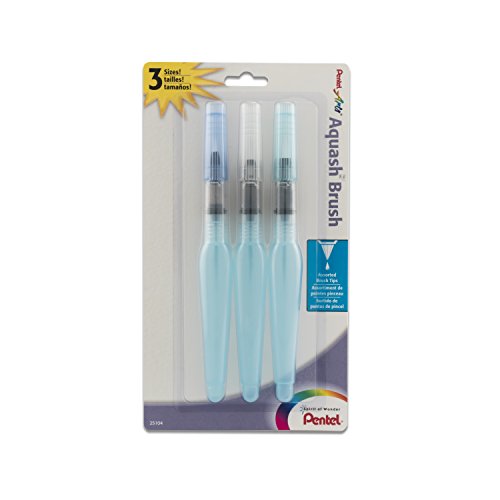
Watercolor artists care most about paper. Start with the Arches block, add Pentel water brushes for painting outdoors, and look at the Daniel Smith half pans for a family gift.
Illustrators and Artists Who Draw
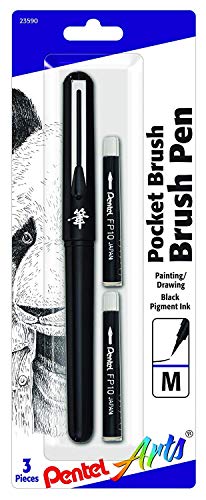
Illustrators ink, color and sketch every day. The Pentel pocket brush pen, Prismacolor pencils and the personalized sketchbook cover cover the bag. The tabletop drawing easel helps at the desk. Architects sketch with many of the same tools, and our gifts for architects cover the drafting side. Writers who illustrate their own books share a lot with this group; our gifts for writers cover the words side.
Graphic Artists
Graphic artists work in software for most of the day. The XPPen tablet and drawing glove fit a coworker budget, and the Huion Kamvas pen display suits a team gift for a promotion. Designers who also shoot their own product images will find more ideas in our gifts for photographers.
Tattoo Artists
Tattoo artists draw flash at a desk and then work long sessions at the station. The magnifying lamp, the lumbar pillow and The World Atlas of Tattoo cover comfort and reference. Leave anything that touches the skin to the artist.
Art Teachers
Art teachers buy supplies for a classroom and rarely for themselves. Give them something for their own work, like the Kuretake watercolor set, plus a funny classroom gift like the Bob Ross Chia Pet. Our teacher appreciation gift ideas cover the rest of the school.
Artist Gifts by Budget
A coworker usually spends $10–50 on an artist, and a team pooling money for a first show or a retirement can go to $100 or more. Family gifts sit in the premium section above, and our gifts for coworkers under $25 list has more low-cost ideas for a studio Secret Santa. Every gift on this page is grouped below by today's price.
Grouped by the live Amazon price when this page loaded. Prices change; each card shows the current one.
DIY and Non-Store Gift Ideas

Some of the best gifts for artists cost little and show that you pay attention to their work. These ideas work for coworkers, friends and family.
- Buy a piece of their art. Pay full price for a print or a painting, hang it, and tell people who made it.
- Share their work. Post their next show or online shop with their name. For a self-employed artist, a new buyer is worth more than a mug.
- Frame an early piece. Ask a family member for an old drawing from art class and frame it next to something recent.
- Model for them. Offer to sit for a portrait sketch or bring a pet for a reference photo session.
- Cover a booth shift. At a craft fair, offer to watch the table for an hour so the artist can eat and walk around.
Group Gifts for a Studio, Agency or Shop

A group gift for artists works best when it serves the shared space or a big milestone. Plan it with a team lead so it fits company policy and reaches everyone, including remote designers.
For a team gift to one artist, such as a first solo show, a promotion to art director or a retirement, ask each person for $5–20 and say that less or nothing is fine. Compare the total with the live price on each card. A smaller group can look at the Daniel Smith set or the French field easel; a bigger one at the Huion Kamvas.
For the whole studio, think about the break room: the Starry Night puzzle on a shared table, a shared stack of sketchbooks for lunch-break drawing, or a team outing from the experience section. For more ideas that fit any office, see our main list of gifts for coworkers.
What to Write in a Card for an Artist

The best card message for an artist names one piece of their work. Pick a line below and add a sentence of your own.
From coworkers
- "The mural in the break room still makes my morning. Thank you for painting it."
- "Thanks for redrawing that logo six times without a single sigh we could hear."
- "Your sketch in the client meeting sold the whole project."
- "Congratulations on your first solo show. We are all coming."
From a manager or client
- "Thank you for turning a vague brief into something everyone loved."
- "Your illustrations made this book. Thank you for the late nights."
- "The poster you designed is the reason people came."
For an art teacher
- "Thank you for teaching my kid that mistakes can become birds."
- "You made a whole class of kids believe they can draw."
- "The art room is the brightest room in the school because of you."
Funny
- "To the artist who has never once drunk the paint water. That we know of."
- "Happy birthday from your favorite blank canvas."
- "Congrats on the promotion. Your new job comes with more meetings and fewer brushes."
Can You Give Gifts to Artists at Work?

Yes, between coworkers, though company policy and common sense set the limits. Studios, agencies and tattoo shops are mostly private businesses, so check the employee handbook before giving anything more than a card, food for the team or a modest coworker gift.
Gifts to a manager need care. The Emily Post Institute's guidance on the workplace and the holidays says individual gifts to a boss are generally a no, because they can look like an attempt to win favor, while a pooled gift that is not too expensive or personal is fine. It also suggests a Secret Santa or grab bag to keep costs down. Our list of gifts for a manager follows the same rule.
Clients are a different case. A client who wants to thank an illustrator or designer can send a card, food for the studio or a modest shared gift, and many agencies set their own limits on gifts from clients. The most useful thanks from a client is a referral, a testimonial or a credit line with the artist's name.
What Not to Give an Artist
Some gifts miss even when the thought is kind. Skip these.
- A big beginner art set. A box of 150 student-grade colors looks generous but rarely gets used by a working artist. Two tubes of good paint beat a hundred cheap ones.
- Supplies in the wrong medium. An oil painter has no use for watercolors, and a digital artist may not want charcoal. Ask first or pick something medium-neutral.
- Tattoo needles, machines or inks. Tattoo artists choose their own and buy from suppliers they trust. Stick to shop comfort, books and the drawing desk.
- A request for free art. Asking an artist to paint something for you as a favor is not a gift. If you want a piece, commission it and pay their rate.
- Generic art décor. A paint-splatter pillow or a mass-produced canvas print is rarely to an artist's taste. Buy their own work or a print by an artist they admire.
Gifts for Every Occasion

Artists mark the year with shows, deadlines and the usual office calendar. Each occasion calls for a different gift, and our work gift occasions cover the rest of the year.
Christmas
Christmas gifts for artists can lean toward fun. The Bob Ross Chia Pet, the Not Paint Water tumbler or The Artist's Way all work for a studio swap. Our office Christmas gift ideas cover the rest of the exchange.
First Show or First Sale
A first gallery show or a first market table is a big moment. Show up, bring friends, and buy something. A card and the display easels for the next show make a thoughtful pair.
Graduation
An art school graduation is a family moment as much as a career one. Parents can give the Huion Kamvas or the French field easel, plus a personalized sketchbook cover with the date.
Retirement
Retiring art teachers and studio artists finally get time for their own work. A team gift such as the Daylight lamp and a card full of drawings from coworkers or students work well together. Our calendar of appreciation days lists other dates for thanking the people you work with.
Gifts from Spouses, Coworkers and Clients

The right gift for an artist depends on who gives it. A spouse can spend more and get specific about the medium, a coworker should stay practical, and a client should keep it simple.
From a Spouse or Partner
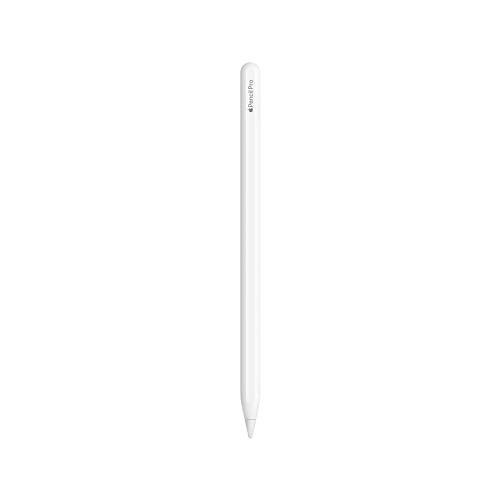
Budget: no upper limit. A spouse knows which supplies run out and which tablet they keep eyeing. Premium gifts make sense here: the Apple Pencil Pro for an iPad artist, the Daniel Smith half pans for a watercolorist, or the Daylight lamp for painting after dark. Time counts too: a quiet weekend in the studio with the kids out of the house.
From Coworkers
Budget: $10–50. Coworkers see the work every day, so practical beats sentimental. Prismacolor pencils, the tabletop drawing easel or the Starry Night puzzle all get used the same week. Managers who want to thank a whole creative team can find ideas in our gifts for employees guide.
From Clients and Students
Budget: a card, food for the studio or a modest shared gift. A client can send a referral or a testimonial, and art students can make a card with their own drawings. For other creative coworkers, see our gifts for musicians.
FAQ About Gifts for Artists
What is a good gift for an artist?
A good gift for an artist is a better version of a supply they already use. Artist-grade acrylics, a Kuretake watercolor set, a heavyweight Stillman & Birn sketchbook or soft-core Prismacolor pencils all get used within a week. For fun, a Bob Ross Chia Pet or a Not Paint Water tumbler gets a laugh in any studio.
What do you get a painter as a gift?
Get a painter something that protects or upgrades the daily kit. Brush soap, a set of good synthetic brushes, a stay-wet palette for acrylics or a small set of artist-grade paint all fit a coworker budget. Family can go bigger with a French field easel or a daylight studio lamp for painting after dark.
What do artists want for Christmas?
Artists usually want supplies they would not buy for themselves: professional paint, cotton watercolor paper, a good sketchbook or a drawing tablet. Ask what medium they use first, since art supplies are personal. If you cannot find out, a fun gift like a Starry Night puzzle or a supply store gift card is the safe choice.
How much should you spend on a gift for an artist coworker?
Most coworkers spend $15–35 on a gift for an artist and up to $50 for a close teammate. That covers a set of artist-grade paint, a sketchbook or a tilting drawing board. For a big milestone, like a first solo show, pool money as a team for a pen display or a field easel.
What is a good gift for a watercolor artist?
Give a watercolor artist good paper or good paint. A block of Arches cotton paper stays flat while wet, and a Kuretake Gansai Tambi set has big pans and a gift-ready box. Water brushes suit someone who paints outdoors. Family can add a Daniel Smith set of hand-poured half pans.
What is a good gift for a tattoo artist?
Give a tattoo artist shop comfort or something for the drawing desk. A lumbar pillow, a clamp-on magnifying lamp for drawing flash or a book like The World Atlas of Tattoo all fit. Skip needles, machines and inks, because tattoo artists choose their own and buy from suppliers they trust.
What is a good gift for a graphic artist or digital artist?
Give a graphic artist a pen tablet or a comfort upgrade for long screen hours. An XPPen Deco tablet fits a coworker budget, and a two-finger drawing glove costs under $10. Family can give a Huion Kamvas pen display or an Apple Pencil Pro, after checking which iPad they own.
Should I buy art supplies for an artist?
Yes, if you know their medium, and buy a higher grade than they use. An oil painter has no use for watercolors, and a big beginner set rarely gets touched by a working artist. If you are unsure, pick something medium-neutral like a tilting drawing board, brush soap or a sketchbook.
Is buying an artist's work a good gift?
Yes, buying their art is one of the best gifts you can give an artist. The Bureau of Labor Statistics notes that most craft and fine artists sell their own work. Pay full price, share it online with their name, and never ask for a free piece as a favor.
What do you write in a card for an artist?
Name a piece of their work you remember. For example: The mural in the break room still makes my morning. Thank you for painting it. A specific line about one drawing, poster or painting means more to an artist than general praise, and it fits on a card signed by the whole team.